
There is a version of private jet travel that looks effortless: you glide into the FBO lounge, your luggage is whisked to the aircraft, and you step on board looking polished and prepared. Then there is the other version, where someone has packed an enormous hardshell suitcase that does not fit the cargo hold, brought a bag of liquids that takes twenty minutes to sort through, and arrives frustrated before the wheels even leave the ground.
The difference between those two experiences almost entirely comes down to how you packed.
Long-distance private flights are one of the most luxurious ways to travel on earth, but they are not without their own packing considerations. Aircraft vary enormously in size and storage capacity. Customs rules still apply internationally. Weight and balance requirements are real and enforced. And the cabin environment on a 10-hour flight at 45,000 feet is drier, colder, and more physically demanding than most people expect.
This guide covers everything you need to know about packing tips for long distance private flights, from understanding baggage limits on different aircraft types, to what to wear, what technology to bring, what documents to never leave behind, and how to arrive at your destination looking and feeling like you barely traveled at all.
“Efficient packing is not just smart, it is essential. Overpacking on a private jet, especially when flying with colleagues, could require removing items before takeoff to meet weight and balance requirements for safe operation.” — Air Charter Advisors
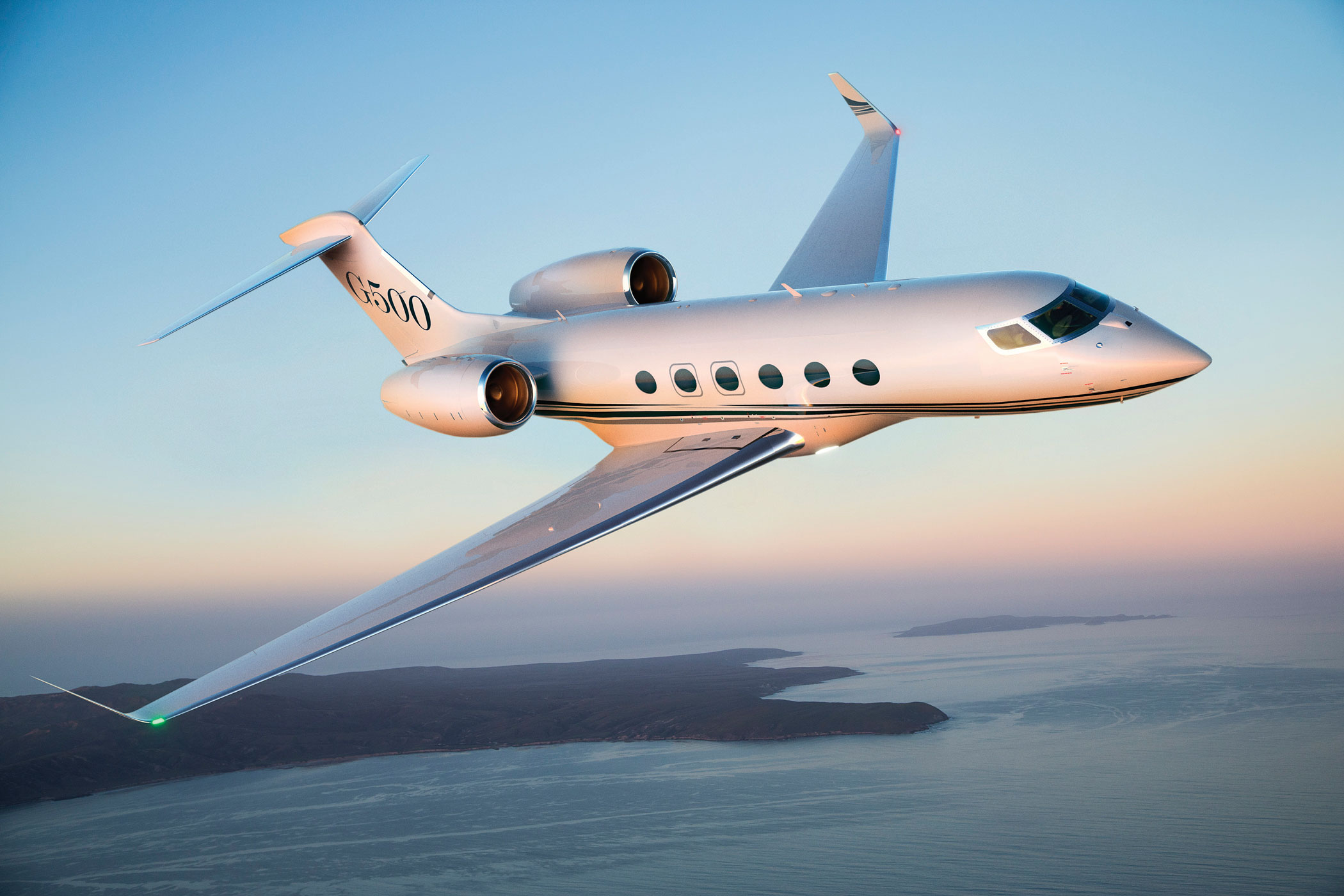
The single most important variable in private jet packing is the aircraft you are flying on. Unlike commercial aviation, where every Boeing 737 or Airbus A320 is basically the same, private jets range from tiny four-seat light jets to ultra-long-range heavy aircraft with cabin bedrooms, full kitchens, and multiple dedicated luggage compartments.
Packing without knowing your aircraft is like packing for a road trip without knowing whether you are driving a sports car or an SUV. The rules change completely.
According to a comprehensive guide from GlobalCharter, here is what to realistically expect from each category of private aircraft:
Very Light Jets (e.g., Citation Mustang, Phenom 100): These are ideal for short domestic hops with one or two passengers. Luggage compartments are small and often only suitable for carry-on sized soft bags and duffel bags. Hardshell cases typically do not fit. Oversized items like golf clubs or ski equipment are essentially off the table.
Light Jets (e.g., Citation CJ2, Phenom 300): Storage increases to accommodate four to six medium-sized suitcases. Cabin storage for laptops and personal bags is available, but oversized items still require advance coordination. The FAA-standard rule of thumb from multiple charter operators: each seat roughly equates to one passenger and one piece of luggage at 23 kg (50 lbs).
Midsize Jets (e.g., Challenger 350, Hawker 900): A meaningful upgrade in capacity. Midsize jets can typically handle seven to nine bags, including some oversized luggage like golf clubs. These are the workhorses of long-distance private charter travel, balancing comfort, range, and luggage flexibility.
Heavy and Ultra-Long-Range Jets (e.g., Gulfstream G650, Global 7500): These are built for transcontinental and transoceanic travel. The Gulfstream G650 alone offers 195 cubic feet of luggage space. Baggage compartments are often accessible mid-flight. Heavy jets can accommodate over 1,000 kg of luggage, making truly extended travel comfortable from a packing standpoint.
Note from the FAA Advisory Circular AC 120-27F on Aircraft Weight and Balance: Weight and balance calculations are a genuine safety requirement for every private flight, not a suggestion. The total weight of passengers, luggage, fuel, and crew must remain within certified limits throughout the flight. This is why charter operators ask about luggage in advance and why overpacking on smaller aircraft can actually delay or change your departure.
Pro Tip: Always contact your charter provider before packing for a long trip. Ask specifically about the baggage compartment dimensions and accessible capacity, not just weight limits. A bag that fits the weight limit might not physically fit in the compartment.
Multiple private aviation operators, including Air Charter Advisors, AB Jets, and flyExclusive, consistently recommend soft-sided bags over hardshell cases for private jet travel. The reason is practical: luggage compartments on private aircraft are often irregularly shaped, and soft bags can be compressed, bent, and fitted into spaces that a rigid suitcase simply cannot enter.
Hardshell cases are not prohibited, but on smaller and midsize jets they can cause real problems. A crew member who cannot fit a client’s suitcase in the hold will tell you about it before departure. The solution is to bring a high-quality, lightweight soft-sided duffel or rolling bag that can flex to fit whatever space is available.
One of the most common misconceptions about private jet travel is that the experience is so exclusive it somehow sidesteps normal documentation requirements. It does not. International travel on a private jet involves every document requirement that commercial travel does, often with additional complexity around customs pre-clearance.
Starting May 7, 2025, the TSA requires that every U.S. passenger aged 18 or older present a REAL ID-compliant driver’s license or an accepted alternative (passport, Global Entry card, military ID) even on domestic private jet charters. As noted by Just Landed Jets, if your state license lacks the star-in-a-gold-circle REAL ID emblem, you should carry your passport on every flight, including domestic ones.
For international private flights, your documents checklist expands significantly. Pack all of these in an easily accessible pouch in your personal bag, not buried in checked luggage loaded in the hold.
Regarding customs specifically: private jet travelers do still go through customs for international arrivals. The process is simply faster and more private. As explained by FlyUSA’s customs guidance, a CBP (Customs and Border Protection) officer typically meets the aircraft on the ramp or at the FBO lounge. Passengers present passports, officers review documents, and the process is often completed in minutes rather than the 30 to 90 minutes common at busy commercial terminals.
Before your international private flight departs, your operator is required to submit passenger data through the Advance Passenger Information System (APIS) to Customs and Border Protection. Per Element Aviation’s customs explainer, APIS data must be filed at least 60 minutes before arrival or departure. This is handled by your operator, but you should confirm it has been filed and that all your information is correct. Also note: if you are traveling with more than $10,000 in cash or equivalent, you are legally required to declare it to the CBP officer regardless of how you are flying.
Private jets are generally pet-friendly, but international pet travel requires its own documentation layer. Per Paramount Business Jets, you will need current vaccination certificates and, importantly, an ISO-compatible microchip. The United States uses a 10-digit chip, while the international standard is a 15-digit chip. If your pet only has the U.S. chip, many countries will require a 15-digit rechipping before or during travel. Confirm all pet documentation with your charter provider well before your departure date.
Private jet travel does not have an official dress code, but it does have an unwritten one. The general principle across the industry is “casual elegance,” which in practice means clothes that are comfortable enough for a 12-hour flight but presentable enough that you do not feel out of place stepping off into a luxury resort or a boardroom.
Regardless of your personal style, long-distance private flights are hard on clothes. Cabin pressurization, low humidity, and hours of sitting can leave even premium fabrics looking crumpled and tired. The fabrics that survive best are wrinkle-resistant synthetics and natural blends, modal, bamboo jersey, stretch wool, technical cotton, and linen for warmer destinations.
Avoid crisp cotton dress shirts, heavy denim, and dry-clean-only fabrics for the flight itself. You can pack these for your destination, but wear them after you land. The goal is to arrive looking fresh, and that is nearly impossible if you spent 10 hours in a fabric that shows every wrinkle.
The most practical approach for long-distance private flights is to build two looks: one for the flight itself, and one for arrival. Private jets on heavy aircraft typically have lavatories with space to change, so this is genuinely achievable on flights of six or more hours.
Your flight look should prioritize movement, breathability, and comfort. Think cashmere loungewear, high-quality athletic wear, soft joggers with a structured top, or a relaxed linen set. Slip-on shoes or quality sneakers are ideal. Add a cashmere or wool wrap or lightweight layer because private jet cabins, like all aircraft, can run cool.
Your arrival look should be packed in an accessible garment bag or at the top of your carry-on. Think one clean outfit appropriate for wherever you are heading, whether that is a hotel check-in, a business meeting, or a family dinner.
As FlyUSA’s private jet dress guide notes, many experienced private jet travelers change mid-flight: fly comfortable, arrive polished. On longer Challenger and Gulfstream flights with onboard lavatories and storage, this is entirely practical and strongly recommended for transcontinental and transoceanic legs.
One of the most significant advantages of flying private on a long-distance journey is the cabin itself as a productive workspace. There are no strangers looking at your screen, no tray table the size of a hardback book, no ambient noise from 250 other passengers, and no interruptions. With the right technology setup, a transatlantic or transpacific private flight can be among the most productive stretches of the entire trip.
Not all private jets have Wi-Fi, and connectivity quality varies significantly between aircraft. Before you pack expecting to attend a video conference at 40,000 feet over the Atlantic, confirm Wi-Fi availability with your charter operator. As Air Charter Advisors notes, always verify Wi-Fi capability, especially if your work depends on cloud access or video conferencing.
Assume that connectivity could be limited or intermittent even on Wi-Fi-equipped aircraft over certain ocean routes. The practical solution is offline preparation: download everything you might need before departure.
Consider packing a small tech pouch that holds all cables, adapters, and small electronics together. On a private jet, you want everything accessible without digging through bags during the flight. A flat zip pouch that slides into your personal bag keeps everything organized and visible.
Even at 45,000 feet in a leather seat with full recline capability, a 12-hour flight takes a physical toll. The air is dry, the pressure is slightly lower than sea level, the body is largely sedentary, and the disruption to your circadian rhythm is real. Strategic packing for physical comfort makes the difference between arriving sharp and arriving depleted.
Aircraft cabin humidity commonly drops to between 10% and 20%, far below the 30% to 60% most people experience on the ground. Dehydration at altitude is faster and more pronounced than most travelers realize. On a long private flight, water is one of the most important things you can consume.
Your private charter will almost certainly have bottled water and beverages available, but having your own preferences on hand adds comfort. Consider packing:
Heavy jets and ultra-long-range aircraft often have lie-flat seating or dedicated bedroom compartments. Even so, sleep quality at altitude is not the same as sleep quality at home. A few additions to your personal bag can meaningfully improve how rested you feel on arrival.
Unlike commercial aviation, private jets do not enforce the 100ml liquid restriction. You have considerably more flexibility with personal care items. That said, keeping a curated, efficient grooming kit is still the smartest approach because it saves space and weight.
A well-stocked personal care pouch for a long private flight might include:
Private jet catering is one of the genuine luxuries of the experience. Most charter operators offer customized in-flight catering, from light continental spreads and charcuterie to full multi-course meals on longer trips. For a genuinely long-distance flight, your operator will typically prepare food arrangements in advance based on your preferences and dietary requirements.
That said, knowing your options and making specific requests in advance is the key to getting what you want.
Even with full catering, having a few personal snacks in your bag is worth the small amount of space they take up. Energy levels vary during long flights, and access to something familiar and preferred can be genuinely comforting on a 12-hour leg.
Long-distance private flights are frequently international, and the additional layer of customs, border security, and international regulations changes the packing equation. Here is what experienced private travelers know about crossing borders by private jet.
U.S. Customs and Border Protection requires all travelers arriving internationally to complete a declaration form listing any goods, gifts, food, or items of value being brought into the country. As Element Aviation explains, all passengers must complete forms itemizing merchandise being brought home, including agricultural products. CBP officers can and do inspect luggage on private jet arrivals.
What this means for packing: be thoughtful about gifts, luxury goods, and anything purchased abroad. U.S. residents returning from international travel have an $800 duty-free exemption per person ($1,600 if returning from certain countries). Exceeding this requires declaring the difference and potentially paying duty. Packing receipts for significant purchases in an accessible folder is a good practice for frequent international travelers.
Long private flights often mean significant climate or culture changes at the destination. Pack based on where you are going, not where you are coming from.
When choosing airports for your international private flight, Paramount Business Jets’ international guidance recommends specifically flying to and from FBOs that have dedicated passport control and customs offices. At these facilities, you clear customs and immigration in a private lounge or directly on the ramp rather than joining queues with commercial passengers. This is not available at every airport, so it is worth specifying when booking your routing.
Private jet passengers benefit from considerably fewer restrictions than commercial travelers, but there are still firm limits. Prohibited items on private jets include everything banned on commercial flights, plus any specific restrictions your operator imposes.
The universally prohibited items across all private operators include:
The FAA maintains guidance on hazardous materials applicable to all aircraft operations. Private charter operators must follow these rules under FAA Part 135 regulations, and the crew is responsible for maintaining compliance. If you are unsure whether a specific item is permitted, contact your operator before you pack it. It is far better to ask in advance than to have it flagged on arrival.
Unlike commercial flights, private jets do not generally enforce the 100ml liquid restriction, which means you can bring full-sized toiletries, bottles of wine, and personal beverages without the limitations of standard commercial screening. That said, if your flight is departing from or arriving at an airport that processes private jets through shared security infrastructure, some of these flexibilities may not apply. Always check with your operator.
Documents Pouch (Carry in Personal Bag, Always Accessible)
Clothing
Technology
Comfort and Wellness
Personal Care
Snacks and Beverages (If Desired Beyond Catering)
Optional Extras for Long Legs
The discipline of private jet packing is as much about what you do not bring as what you do. The temptation to overpack is amplified by the fact that private travel feels more forgiving, but smaller aircraft genuinely have limits, and even on a heavy jet, traveling lighter is always better.
On a private flight with a small party, it seems unnecessary. But on longer trips with multiple legs, fuel stops, or when coordinating ground handlers at international FBOs, labeled bags ensure that nothing gets confused, left behind, or loaded onto the wrong vehicle. Put your name, phone number, and destination contact on the outside of every bag.
Musical instruments, fine art, sports equipment like ski bags or golf clubs, firearms with proper permits, fragile items, or anything larger or heavier than a standard suitcase needs to be communicated to your charter broker at booking, not at the FBO. Weight and balance calculations, cargo hold configurations, and special handling arrangements take time to coordinate. Showing up at departure with a surprise cello is an entirely avoidable problem.
Private jets can move between dramatically different climates in a matter of hours. If you are leaving a cold city for a tropical destination, dress for comfort on the flight but have your arrival outfit ready for a completely different environment. Do not wear your heavy winter coat onto a Gulfstream and expect to be comfortable landing in Dubai.
One of the most frequently cited statistics in private aviation is that FBO arrival-to-departure windows can be as short as 15 to 20 minutes for domestic flights and 30 to 45 minutes for international ones. As AB Jets notes, you will never have to wait at baggage claim: bags are unloaded directly from the aircraft and delivered to you. Packing with this in mind means keeping your most essential items in your personal bag for immediate access, not buried in checked luggage. On a quick business turnaround, this can save meaningful time.
This bears repeating because it comes up so consistently across operator guidance. Charter Flight Group, Air Charter Advisors, and AB Jets all note that soft-sided bags allow ground crews to pack cargo compartments more fully and reduce risk of damage to neighboring bags. This matters especially when flying on midsize jets where the hold shape varies by aircraft model. When in doubt, go soft.
I recommend starting every private jet packing process with a single question: what aircraft am I flying, and what are its actual baggage dimensions? Everything else flows from that answer. The aircraft determines your bag choice, your luggage volume, and whether you need to coordinate anything special with your operator in advance.
From there, build your packing around three priorities: documents, comfort, and arrival readiness. Documents first because no level of luxury travel insulates you from the requirement to have the right paperwork, especially internationally. Comfort second because long-distance private flying is still a physical endurance event and how you feel on arrival matters. Arrival readiness third because the whole point of flying private on a long-distance journey is usually to step off and immediately perform at your best.
The travelers I most often see navigate private jet packing well are the ones who do it the same way every time: they have a master packing list tailored to the aircraft type, they communicate their luggage needs at booking rather than at the FBO, and they travel with soft-sided bags that flex to the space available rather than fighting the cargo hold.
Pack with intention, confirm with your operator, and enjoy the flight. Few travel experiences compare to a long-distance private jet journey done right.
Safe and seamless travels.