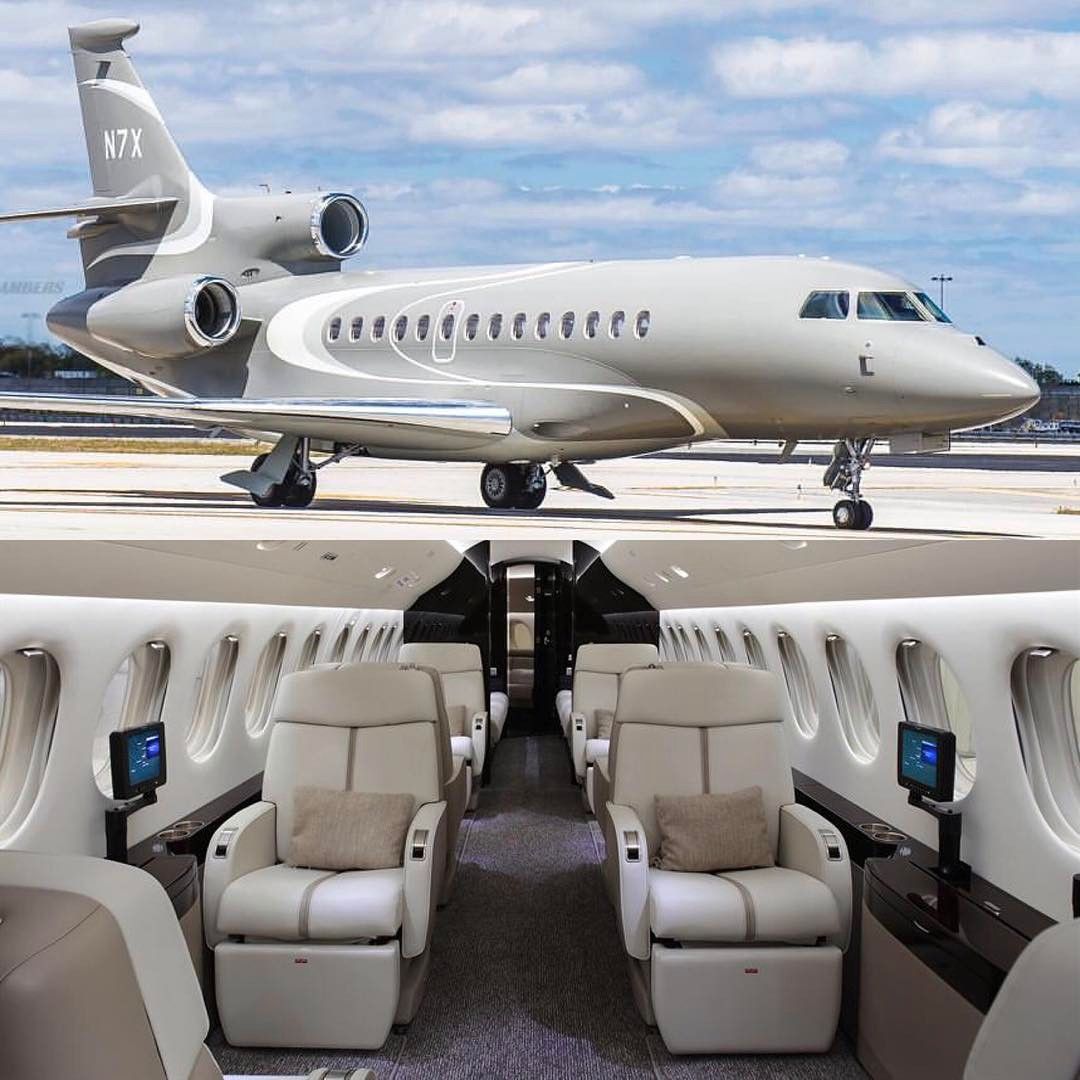
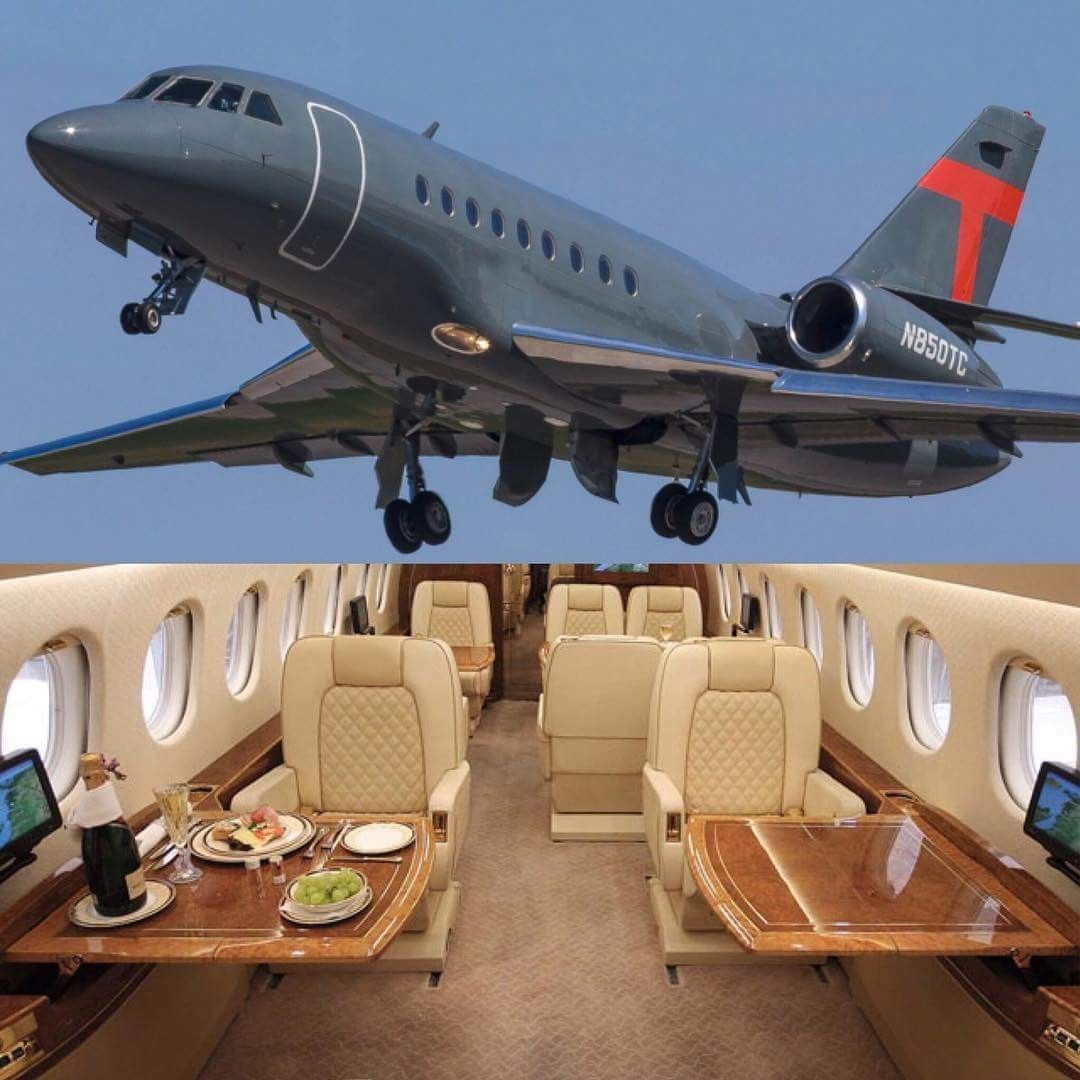
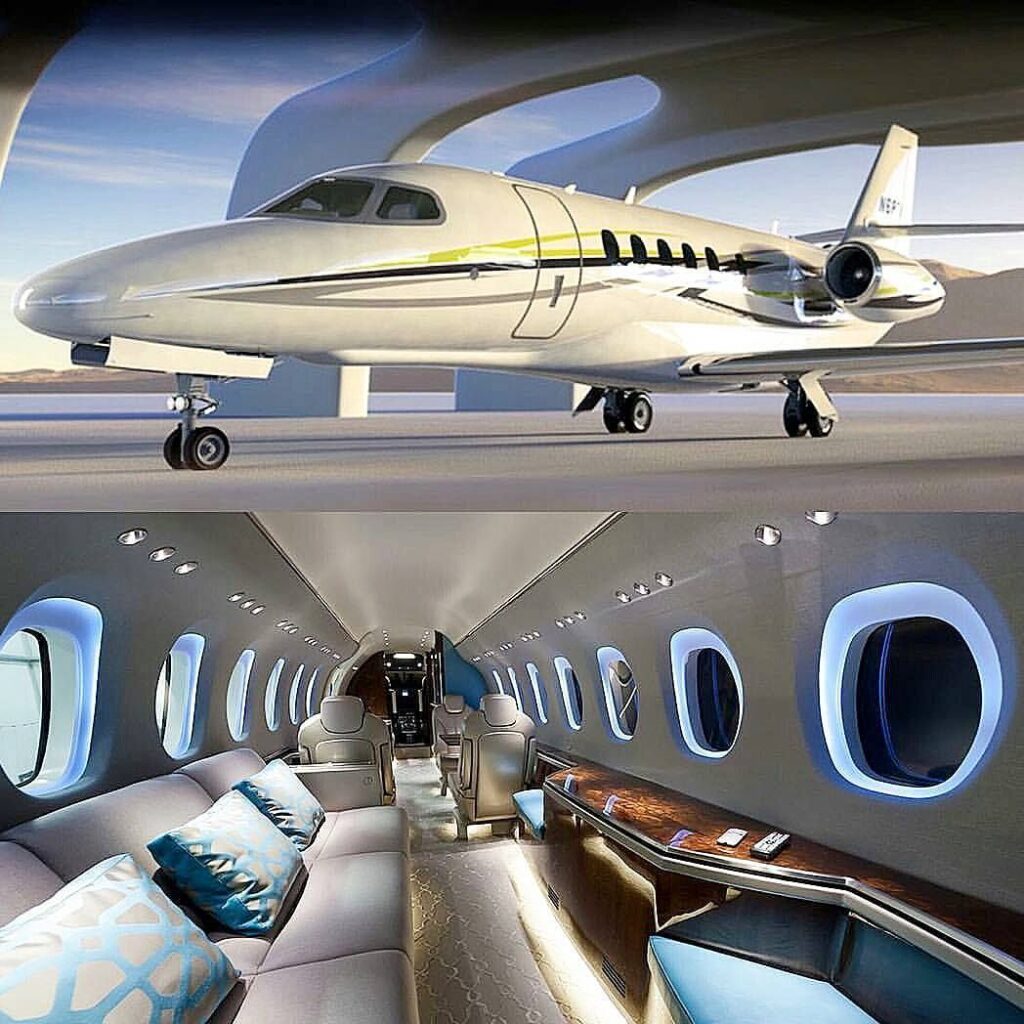
Flying from one side of Australia to the other is no small feat. At roughly 3,290 kilometres, the Sydney to Perth route is one of the longest domestic corridors in the country, and for business executives, mining executives, sports teams, and high-net-worth travellers, private jet charter is increasingly the mode of choice. But the first question everyone asks is the same: what does Sydney to Perth private jet charter cost? The answer depends on more factors than you might expect, and this guide covers every one of them, backed by real industry data and official government sources.
Whether you are researching for the first time or comparing quotes from multiple operators, read on for a thorough breakdown that will leave you informed and ready to book smart.
Let us start with the figures everyone wants. According to multiple Australian charter operators, a Sydney to Perth private jet charter currently runs:
Aircraft Category | Typical Aircraft | Passengers | Estimated Cost (AUD) |
Midsize Jet | Citation Sovereign / Hawker 800XP | 7-9 | $22,000 – $32,000 one-way |
Super Midsize Jet | Praetor 500 / Citation Longitude | 8-10 | $28,000 – $38,000 one-way |
Heavy Jet | Challenger 604 / Gulfstream G450 | 10-14 | $38,000 – $60,000 one-way |
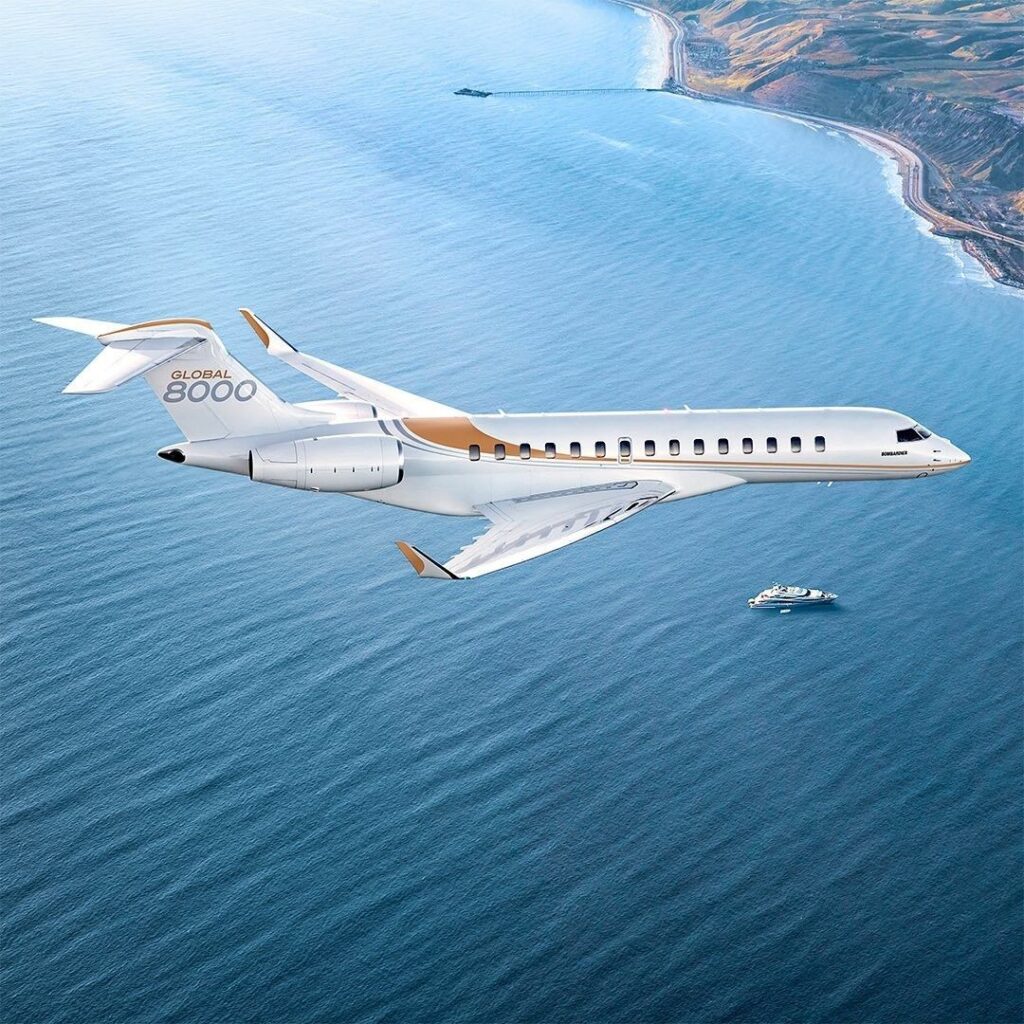
Ultra Long Range | Gulfstream G650 / Global 7500 | 10-19 | $60,000 – $100,000+ one-way |
Source: Data compiled from AlbaJet, GoJets Australia, and Air Charter Network. Prices are estimates for 2024-2025 and vary based on aircraft availability and market conditions.
A return trip on a midsize jet with a one-week stay in Sydney, for example, runs in the region of AUD $100,000 according to AlbaJet, because repositioning fees apply when the aircraft returns to base.
To put those numbers in perspective, a group of 8 people splitting the cost of a midsize jet one-way are each paying roughly $3,000 to $4,000, which is comparable to or sometimes less than multiple last-minute business class fares on commercial airlines during peak periods.
Before breaking down costs, it helps to understand the geography involved, because distance is the single biggest cost driver on any charter.
According to Trippy.com’s private aviation calculator, flying private on this route is roughly 1.8 times faster than commercial travel when you factor in airport wait times, security, and connections. Total door-to-door time on commercial is typically around 7 hours. On a private jet, that total drops to approximately 4 to 5 hours.
That time saving carries genuine economic value for corporate travellers. At a conservative billing rate of $500 per hour for a senior executive, saving 3 hours per person per trip equals $1,500 in productive time per passenger, before even accounting for the ability to hold confidential meetings onboard.
Most people assume jet size is the only cost lever. In reality, there are at least seven distinct factors that shape your final quote.
This is the largest single variable. Light jets do not have the range for Sydney to Perth without a fuel stop, so the minimum aircraft class on this route is a midsize jet. The Citation Sovereign and Challenger 604 are two of the most commonly cited options for this crossing. Moving up to a heavy jet like the Gulfstream G450 adds significant comfort and speed but increases costs substantially.
As a reference point, Air Charter Network reports hourly rates of AUD $6,116 to $12,232 for midsize jets and AUD $12,232 to $21,406 for heavy jets on long routes like Perth to Singapore.
Jet-A fuel prices fluctuate with global oil markets. Charter operators generally include fuel in their quoted price, but fuel surcharges can appear on longer routes or when prices spike. Always confirm whether your quote is fuel-inclusive.
Landing fees at major airports are a genuine cost driver. Air Charter Network notes that Sydney Airport recently increased minimum runway charges from AUD $91.74 to AUD $519.86, an enormous jump that flows directly into charter pricing. Ramp services, aircraft parking, towing, and ground handling add further costs at both ends of the route.
If the aircraft needs to fly empty to reach your departure point before your trip, or return to base after dropping you off, those repositioning hours are usually billed as part of your charter or factored into a minimum hour requirement. This is one reason round-trip charters can sometimes represent better value than two separate one-way bookings.
On a multi-day or overnight trip, crew accommodation, meals, and per diem allowances typically run AUD $305 to $917 per crew member per night, according to Air Charter Network. Aviation regulations also limit pilot duty hours, which can require additional crew on extended journeys.
Standard private jet charter typically includes basic refreshments and crew. Bespoke catering, gourmet meals, specific beverage selections, ground transfers, and in-flight entertainment upgrades are available at additional cost. These extras can add anywhere from a few hundred to several thousand dollars to your total.
Peak travel periods including school holidays, major sporting events, and end-of-year corporate travel push prices up as demand competes for a limited pool of appropriately sized aircraft. Booking well in advance or being flexible with your timing can create meaningful savings.
Not every jet has the range to fly Sydney to Perth non-stop. The route requires an aircraft capable of approximately 3,300 kilometres without a fuel stop. Here are the primary options operators use:
It is worth noting that the Citation X (now out of production but still operating in charter fleets) can cover the Sydney to Perth route in under 4 hours, saving up to an hour compared to slower aircraft, according to AlbaJet.
Australia’s private aviation industry is tightly regulated, and understanding the framework helps you book with confidence.
All commercial charter operations in Australia are overseen by the Civil Aviation Safety Authority (CASA), an independent statutory authority established under the Civil Aviation Act 1988. CASA is responsible for licensing pilots, registering aircraft, and ensuring safety compliance across all civil aviation operations.
Every legitimate charter operator in Australia must hold a CASA-issued Air Operator’s Certificate (AOC). This document confirms the operator has passed a comprehensive safety assessment, has appropriate key personnel (including a Chief Pilot and Head of Airworthiness), and maintains the required insurance and operational standards. According to CASA’s official guidance, the AOC is only granted following a thorough assessment process and can be revoked for serious non-compliance.
When booking a charter, always ask for the operator’s AOC number and verify it on the CASA website. This is the single most important safety check a private aviation passenger can perform.
Charter flights specifically fall under CASR Part 135, which sets out detailed rules for non-scheduled air transport operations including crew requirements, aircraft maintenance intervals, and operational procedures. Passengers on a properly regulated charter flight benefit from the same baseline safety standards as passengers on commercial airlines.
While CASA regulates operators and pilots, Airservices Australia manages air traffic control in Australian airspace. Private jets use the same controlled airspace as commercial aircraft and are subject to the same air traffic management protocols, including separation standards and approach procedures at Perth Airport (ICAO: YPPH).
Perth Airport (IATA: PER, ICAO: YPPH) is the fourth busiest airport in Australia and serves as the primary gateway for private jet operations in Western Australia. The airport covers approximately 2,105 hectares and is operated by Perth Airport Pty Ltd under a 99-year lease from the federal government, with major shareholders including Future Fund (30%), Utilities Trust of Australia (23%), and AustralianSuper (17%), according to Perth Airport’s official information.
Private jet passengers at Perth Airport can access dedicated services through operators including Maxem Aviation’s Jet Centre, which provides a 24-hour first-class private passenger terminal and hangar facility with tarmac transfers, disabled access, and secure onsite parking. ExecuJet MRO Services operates a facility at Perth International Airport covering 1,500 square metres of hangar space and serves as the sole Authorised Service Center in Australia for Bombardier, Gulfstream, and Embraer aircraft.
The dedicated private jet terminal at Perth Airport features VIP lounges, meeting rooms, concierge services, high-speed Wi-Fi, and private shower facilities. The airport is approximately 10 kilometres east of Perth’s central business district, roughly a 20-minute drive in normal traffic.
Jandakot Airport, located 19 kilometres southwest of Perth, is one of the busiest airports in Australia by aircraft movements and is considered the premier general aviation airport in Western Australia. However, it is restricted to smaller propeller aircraft due to its shorter runway length, which means the midsize and heavy jets required for the Sydney to Perth route will primarily use Perth Airport.
In May 2024, Perth Airport and Qantas announced a landmark commercial agreement underpinning a $5 billion capital investment program, described as the largest private infrastructure development in Perth’s history. This includes construction of a new parallel runway, new terminal facilities, two multi-storey car parks, and major access roadworks. According to Perth Airport’s official announcement, the program will significantly expand capacity and improve the overall traveller experience.
On the Sydney end, private jet passengers typically depart from Sydney Kingsford Smith Airport (SYD), located approximately 8 kilometres south of the CBD. Sydney Airport supports full private aviation operations with FBO (Fixed Base Operator) facilities providing ground handling, refuelling, and VIP lounge access.
One important cost note: Sydney Airport has among the highest landing and handling fees in Australia. As mentioned above, minimum runway charges at Sydney have recently risen sharply, and Air Charter Network identifies Sydney as a premium cost location compared to regional alternatives. This is a genuine factor in why Sydney to Perth charters carry a higher base cost than, for example, Brisbane to Cairns charters of similar distances.
One of the best-kept secrets in private aviation is the empty leg flight, and this is where serious savings on the Sydney to Perth route are possible.
An empty leg occurs when a private jet completes a one-way charter and must return to base or reposition for its next booking, flying without passengers. Charter operators prefer to offset their repositioning costs by selling these flights at heavily discounted rates.
Empty leg discounts on Australian routes typically range from 25% to 75% off standard charter rates, according to multiple operators including ACAM Pacific and Skyler Aviation. That means a Sydney to Perth empty leg that would normally cost $35,000 could potentially be secured for $9,000 to $26,000.
The trade-off is flexibility. Empty leg times and routes are fixed by the operator’s schedule. Departures cannot usually be moved, and the flight may be rescheduled or cancelled if the original client’s plans change. For travellers with firm schedules, this makes empty legs unreliable. For those with some flexibility, particularly in groups of 6 to 10 where the per-person saving is dramatic, empty legs represent genuine value.
Popular routes with relatively frequent empty leg availability include Sydney to Melbourne, Brisbane to Gold Coast, and Sydney to Perth, given the volume of charter activity in and out of Western Australia’s resources sector.
Understanding who books the Sydney to Perth route by private jet helps contextualise the pricing. This is not purely a luxury leisure market.
Western Australia is home to Australia’s largest mining and resources sector. Companies operating in Pilbara, the Goldfields, and the Kimberley regularly use charter aviation for executive travel, site visits, and fly-in fly-out (FIFO) operations. For mining executives managing tight schedules between Perth and Sydney, private charter is often a business tool rather than a luxury.
Australia’s major ASX-listed companies with operations in both New South Wales and Western Australia maintain ongoing needs for fast, flexible, confidential travel between Sydney and Perth. Conducting board meetings, investor presentations, or negotiating sensitive deals in the privacy of a charter cabin is a genuine operational advantage.
Professional sports teams, touring artists, and entertainment productions frequently charter heavy jets for interstate travel, where carrying large groups with equipment quickly and without the restrictions of commercial airlines provides a real logistical benefit.
Private jet charter also serves a critical role in medical evacuations and time-sensitive patient transfers, particularly given the geographic distances involved in reaching specialist care facilities in Sydney from Western Australia.
Private aviation in Australia has been on a strong growth trajectory, with the pandemic acting as an unexpected accelerant.
Australia is the second largest business aviation market in the Asia-Pacific region, with approximately 230 business aircraft in operation, according to Jetcraft’s 2024 analysis. That fleet has grown by a net 10% over the past five years, spurred partly by the pandemic-era shift toward private travel alternatives.
The broader Australian aviation market was valued at approximately USD $4 billion in 2025 and is projected to reach USD $4.46 billion by 2030, according to Research and Markets. Australia’s international aviation market recorded 15.6% year-on-year growth in 2024, according to CAPA Centre for Aviation.
The Bureau of Infrastructure and Transport Research Economics (BITRE), a division of the Australian Government’s Department of Infrastructure, projects that domestic air passenger activity will grow by approximately 2.6% per annum through to 2050. The full forecast is available in the BITRE Australian Aviation Forecasts 2024-2050, a government publication that provides the most authoritative long-term view of Australian aviation demand.
Private jet pricing is not like buying an airline ticket. Every quote is based on your specific trip parameters. To get an accurate price, you will need to provide:
Most reputable operators will provide a quote within a few hours. Brokers like Paramount Business Jets, Air Charter Network, FlightCharter, and GoJets Australia can source options across multiple operators simultaneously, which often yields better pricing and availability than going to a single operator directly.
Commercial business class between Sydney and Perth is genuinely competitive at the individual traveller level. Qantas, Virgin Australia, and Jetstar operate frequent non-stop services, with premium cabin fares typically ranging from $600 to $2,500 per person return depending on timing.
Private charter only begins to show clear financial logic in specific scenarios:
Where private charter consistently wins is in the total time equation and in operational flexibility. A private jet on this route will typically save 2 to 3 hours of total door-to-door travel time compared to commercial, and that jet departs when you are ready, not according to a published schedule.
Private jet travel carries a higher per-passenger carbon footprint than commercial aviation. A single direct commercial flight from Sydney to Perth produces approximately 222 kilograms of CO2 per passenger, according to Air Miles Calculator. A private jet carrying fewer passengers over the same distance produces significantly more CO2 per seat.
However, several Australian charter operators now offer formal carbon offset programs. Perth-based Revesco Aviation holds Carbon Neutral certification under the Australian Government-backed Climate Active program, which covers all operational emissions through verified offset purchases. When booking a private charter, asking about carbon offset options is both environmentally responsible and increasingly standard practice in the corporate travel sector.
Australia’s aviation sector has committed to net-zero emissions by 2050, with the government investing in sustainable aviation fuel (SAF) research. Victoria’s Dovetail Electric Aviation Development Centre at Latrobe Regional Airport is actively developing battery and hydrogen power options for regional aircraft, signalling a longer-term shift in the industry’s environmental profile, according to IMARC Group’s Australia Aviation Market analysis.
Unlike commercial airlines where last-minute fares can occasionally be cheap, private jet pricing generally does not benefit from waiting. Aircraft availability shrinks as dates approach, and last-minute bookings often pay a premium.
Peak morning slots at Sydney Airport are the most expensive. Departures in the mid-afternoon or evening may yield lower airport fees and better aircraft availability.
A round-trip booking where you return within a few days avoids the highest repositioning costs. If one party in your group is returning on a different date, sharing the round-trip aircraft cost can still represent better value than two independent one-way charters.
Charter brokers have access to live availability across multiple fleets and can identify repositioning discounts and empty legs that direct operator websites may not publicise. The broker fee is typically absorbed into the charter price rather than added on top.
Monday and Friday are peak business travel days on the Sydney to Perth corridor. Tuesday through Thursday bookings often have better availability and occasionally better pricing.
If you have 9 to 10 passengers, you might feel pulled toward a heavy jet for comfort. But a midsize jet configured for 9 seats often provides adequate comfort for a 4-hour domestic crossing at a significantly lower price point.
For those who want to go deeper, the following official and research resources are the most reliable:
Civil Aviation Safety Authority (CASA) | BITRE Aviation Forecasts | Perth Airport
Disclaimer: All pricing figures are market estimates compiled from publicly available sources and may vary significantly based on aircraft availability, market conditions, and specific trip parameters. Always request a detailed, itemised quote from a CASA-accredited operator before making a booking decision.
Use the reference tables below to build your own cost estimate before requesting a formal quote. These figures are based on 2024-2025 market data from Australian charter operators.
Aircraft Category (Sydney to Perth) | Hourly Rate (AUD) |
Midsize Jet (Citation Sovereign, Hawker 800XP) | $5,000 – $8,000 / hr |
Super Midsize Jet (Praetor 500, Citation Longitude) | $7,500 – $10,000 / hr |
Heavy Jet (Challenger 604, Gulfstream G450) | $10,000 – $15,000 / hr |
Ultra Long Range (G650, Global 7500) | $15,000 – $21,000+ / hr |
The Sydney to Perth route is approximately 3,290 km. Private jet flight time on this route ranges from 3.5 to 4.5 hours depending on aircraft. Use the formula:
Base Cost = Hourly Rate x Flight Hours
Example: A midsize jet at $6,500/hr over 4 hours = $26,000 base cost.
Cost Component | Estimated Add-On (AUD) |
Sydney Airport landing and handling fees | $600 – $2,000 |
Perth Airport landing and handling fees | $400 – $1,200 |
Crew per diem (per crew member, per night) | $305 – $917 |
Standard catering (per passenger) | $100 – $400 |
Gourmet / bespoke catering (per passenger) | $400 – $1,500+ |
Ground transfers (each end, per vehicle) | $150 – $500 |
GST (10% on charter services) | 10% of subtotal |
Discount Type | Typical Saving |
Empty leg flight | 25% – 75% off base cost |
Round trip booking (return within 2-3 days) | 10% – 20% saving vs. 2x one-way |
Midweek departure (Tue – Thu) | Availability improves, 5% – 10% saving |
Off-peak season booking | Up to 15% below peak rates |
Per-Person Cost = Total Charter Cost / Number of Passengers
Item | Cost (AUD) |
Base charter: Midsize jet @ $6,500/hr x 4 hrs | $26,000 |
Sydney Airport fees | $1,200 |
Perth Airport fees | $800 |
Standard catering (8 pax @ $200 each) | $1,600 |
Ground transfers (2 vehicles, each end) | $600 |
Subtotal before GST | $30,200 |
GST (10%) | $3,020 |
TOTAL ESTIMATED COST | $33,220 |
Per person (8 passengers) | $4,153 each |
For context, a last-minute Qantas business class fare on Sydney to Perth typically ranges from $1,200 to $2,500 per person. At $4,153 per person in the above example, private charter carries a premium of roughly 2 to 3x over business class, but delivers a door-to-door time saving of 2 to 3 hours, complete privacy, and full schedule flexibility.
Group Size | Midsize Jet Est. | Heavy Jet Est. | Per Person Range |
2 passengers | $33,000 | $55,000 | $16,500 – $27,500 |
4 passengers | $33,000 | $55,000 | $8,250 – $13,750 |
6 passengers | $33,000 | $55,000 | $5,500 – $9,167 |
8 passengers | $33,000 | $55,000 | $4,125 – $6,875 |
10 passengers | $38,000* | $55,000 | $3,800 – $5,500 |
14 passengers | N/A | $55,000 | $3,929 each |
* Midsize jet at the upper end of its capacity. Heavy jet recommended for groups of 10+ for comfort. All figures are indicative estimates based on 2024-2025 market rates and include estimated fees and GST. Request a formal quote from a CASA-accredited operator for accurate pricing.
If you are flexible on timing, apply this table to estimate your empty leg savings:
Standard Charter Cost | Empty Leg Discount (50%) | Empty Leg Discount (70%) |
$25,000 | $12,500 | $7,500 |
$30,000 | $15,000 | $9,000 |
$35,000 | $17,500 | $10,500 |
$40,000 | $20,000 | $12,000 |
$55,000 | $27,500 | $16,500 |

Everything you need to know about pricing, aircraft selection, regulations, and booking strategy for Australia's longest domestic private aviation corridor.
According to multiple Australian charter operators, Sydney to Perth private jet charter currently runs across four main aircraft categories. All figures are AUD, one-way estimates for 2024–2025.
Distance is the single biggest cost driver on any charter. Understanding the geography helps frame every quote you receive.
| Metric | Detail |
|---|---|
| Great-circle distance | ~3,284–3,290 km (approx. 2,040 miles) |
| Commercial flight time | ~5 hours 5 minutes (airborne) |
| Private jet flight time | 3.5–4.5 hours depending on aircraft |
| Total door-to-door commercial | ~7 hours |
| Total door-to-door private | ~4–5 hours |
| Time difference | Perth 2–3 hours behind Sydney (varies with DST) |
| Executive time value saved (est.) | $1,500/pax at $500/hr billing rate |
Most people assume jet size is the only variable. In reality, at least seven distinct factors shape your final quote. Click each to expand.
The Sydney to Perth route requires an aircraft capable of approximately 3,300 km non-stop. Here are the primary options operators use.
| Aircraft | Category | Seats | Key Feature |
|---|---|---|---|
| Citation Sovereign | Midsize | Up to 9 | ~5,200 km range, most popular on this route |
| Hawker 800XP | Midsize | Up to 8 | Solid mid-range option for smaller groups |
| Challenger 604 | Heavy (midsize price) | Up to 10 | Heavy-jet comfort at midsize pricing on some routes |
| Gulfstream G450 | Heavy | 14–16 | Exceptional cabin, range 7,000+ km |
| Bombardier Global 6000 | Heavy | Up to 17 | Ultra-quiet cabin, ideal for red-eye departures |
| Dassault Falcon 900EX | Heavy | Up to 12 | Tri-engine safety, popular with Australian corporates |
| Gulfstream G650 | Ultra Long Range | Up to 19 | Mach 0.925, Sydney to Perth under 4 hours |
| Bombardier Global 7500 | Ultra Long Range | Up to 19 | Largest cabin in class, maximum onboard productivity |
Australia's private aviation industry is tightly regulated. Understanding the framework helps you book with confidence.
| Body / Instrument | Role |
|---|---|
| CASA (Civil Aviation Safety Authority) | Licenses pilots, registers aircraft, ensures safety compliance for all civil aviation operations |
| Air Operator's Certificate (AOC) | Required for all legitimate charter operators. Verify your operator's AOC at casa.gov.au before booking — this is the single most important safety check |
| CASR Part 135 | Governs non-scheduled air transport including crew requirements, maintenance intervals, and operational procedures |
| Airservices Australia | Manages air traffic control. Private jets use the same controlled airspace as commercial aircraft |
| Civil Aviation Act 1988 | The governing federal legislation for all civil aviation in Australia |
An empty leg occurs when a private jet completes a one-way charter and must reposition, flying without passengers. Operators sell these at heavily discounted rates to offset repositioning costs.
Empty leg discounts on Australian routes typically range from 25% to 75% off standard charter rates. A Sydney to Perth leg that would normally cost $35,000 could potentially be secured for $9,000–$26,000. The trade-off is flexibility: times and routes are fixed by the operator's schedule.
| Standard Charter Cost | Empty Leg (50% off) | Empty Leg (70% off) |
|---|---|---|
| AUD $25,000 | $12,500 | $7,500 |
| AUD $30,000 | $15,000 | $9,000 |
| AUD $35,000 | $17,500 | $10,500 |
| AUD $40,000 | $20,000 | $12,000 |
| AUD $55,000 | $27,500 | $16,500 |
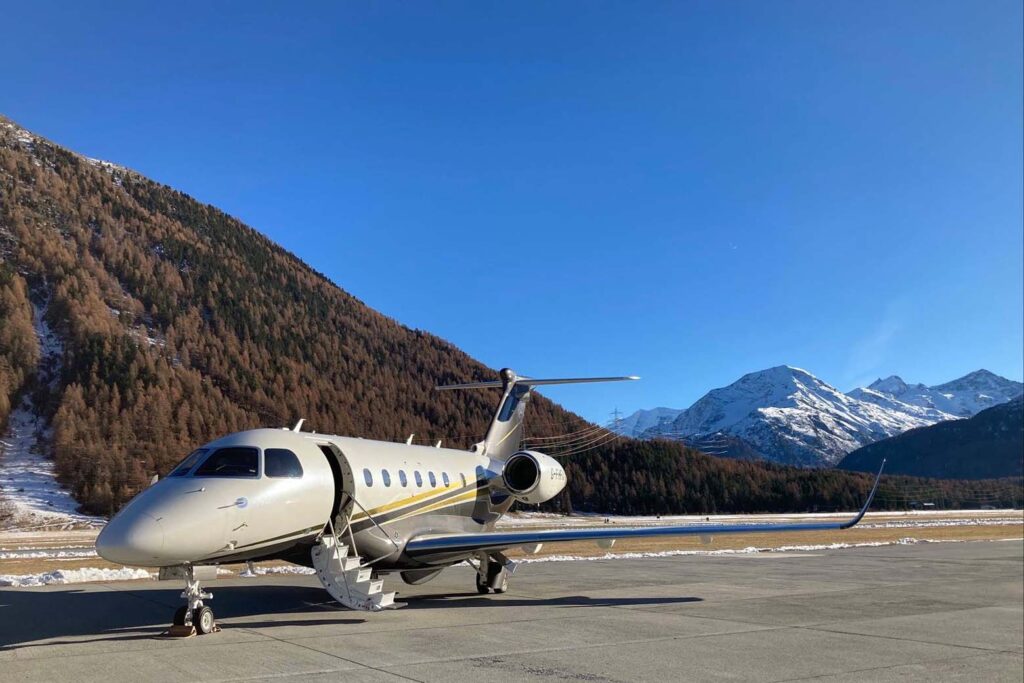
Where to find empty leg deals: Operator websites and email lists (FlightCharter, GoJets, Air Charter Network, Skyler Aviation), the Airly app, charter brokers with real-time repositioning schedules, and operator social media accounts on Facebook and Instagram.
| Question | Why It Matters |
|---|---|
| Is the aircraft CASA-certified and does the operator hold a current AOC? | Non-negotiable safety baseline |
| Is the quoted price fully inclusive (fuel, landing fees, crew, taxes)? | Avoids unexpected additions to your invoice |
| What is the cancellation and change policy? | Plans change — know your exposure upfront |
| Are crew accommodation costs included for overnight trips? | Can add $600–$1,800+ per night |
| What is the minimum flight time billing policy? | Many operators charge a 2-hour minimum |
| Is catering included or billed separately? | Can range from $100 to $1,500+ per passenger |
After researching this route thoroughly, my recommendation is this: if you are travelling in a group of 6 or more, booking private charter on the Sydney to Perth route is worth running the numbers seriously. The per-person cost can be surprisingly competitive with premium commercial fares once you account for the total time saved and the operational flexibility you gain.
For solo travellers or pairs, private charter on this route is genuinely expensive compared to commercial options, and the financial case only holds if time is worth significantly more than the price premium.
For anyone doing this trip regularly for business, I would strongly suggest registering for empty leg alerts with two or three operators. On a route with significant charter activity driven by the mining sector, genuinely good repositioning deals do appear. Set your preferred parameters, stay flexible, and you will occasionally find a deal that makes private travel the obvious choice even for smaller groups.
Whichever path you choose, always verify your operator’s CASA AOC status before booking. Australia has a strong regulatory framework for charter aviation, and the legitimate, certified operators competing on this route maintain genuinely high safety standards.