
Private jet charter cost in Australia typically ranges from AUD $3,000 to over $15,000 per hour, depending on aircraft type, route, and the services included in your quote. That range is wider than most first-time charterers expect, and the reasons behind it are shaped by factors unique to Australia: a continent-sized geography, sparse regional infrastructure, a thriving fly-in fly-out resources sector, and one of the most tightly regulated civil aviation frameworks in the Asia-Pacific region.
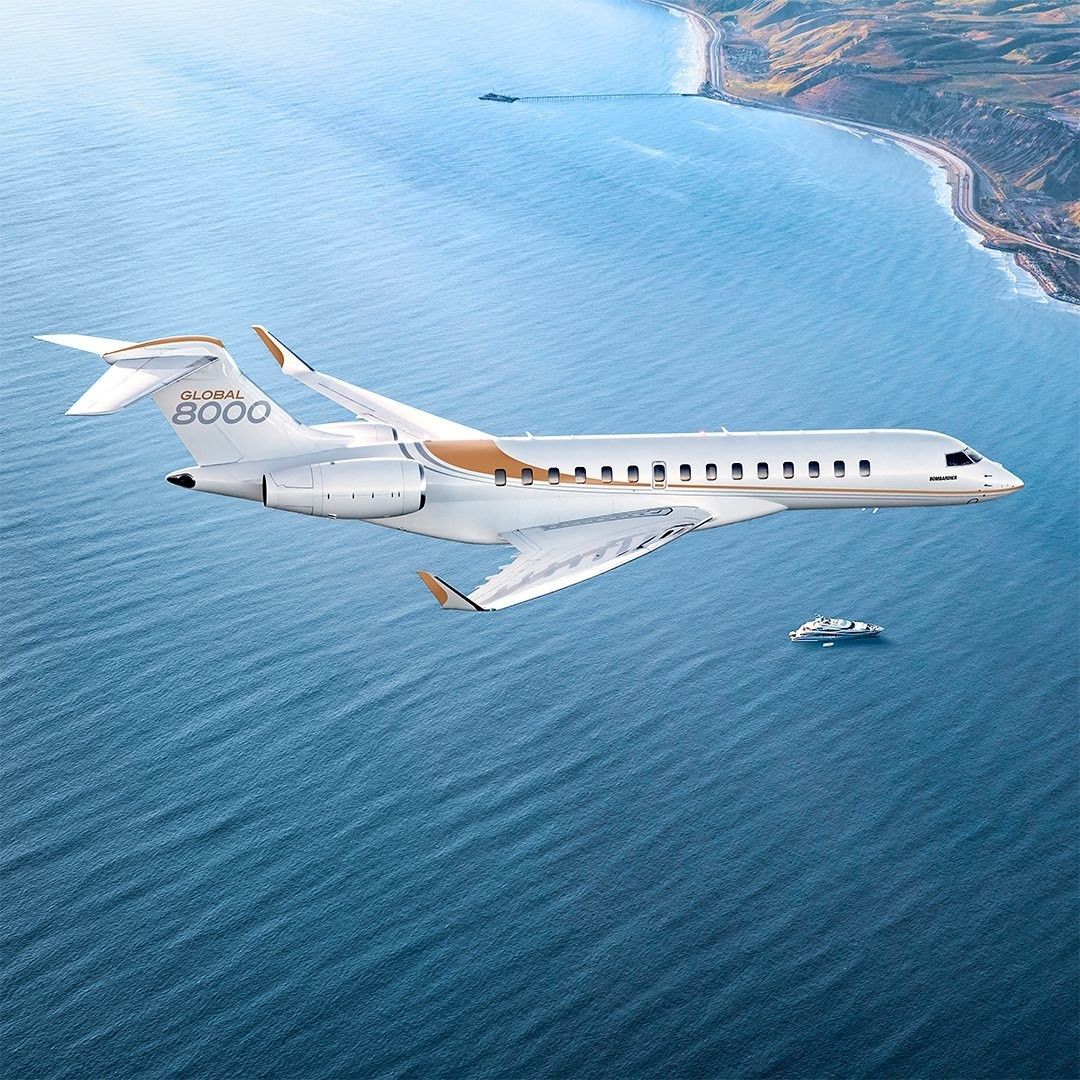
Whether you are a business owner comparing private jet cost in Australia against a last-minute business class fare, an executive team heading to a mine site in the Pilbara, or a family planning a luxury escape to the Whitsundays, this guide gives you every number and every variable you need to make an informed decision. From turboprops to ultra-long-range jets, from Sydney to Singapore, from empty leg deals to fractional ownership, it is all here.
According to Mordor Intelligence, the Australian aviation market was valued at approximately USD 4.14 billion in 2025 and is projected to reach USD 4.46 billion by 2030. Business and general aviation sits among the fastest-growing segments within that figure, driven by rising corporate travel demand, increased high-net-worth migration, and a recovering tourism sector. Private aviation in Australia is growing because time-conscious travellers are doing the maths and finding that charter jet price in Australia is more competitive than the sticker shock suggests.
Use the sections below to jump to the information most relevant to your situation:
If you need a single planning benchmark: a standard domestic flight between major Australian cities on a light jet costs between AUD $6,000 and $14,000 one-way. A heavy or long-range jet for an international route to Singapore or Los Angeles will run from AUD $30,000 to $80,000 or more for the full flight. The spread exists because four variables shift the price more than any other: aircraft positioning, airport fees, seasonal demand, and aircraft type.
Three structural facts about Australian private aviation pricing are worth keeping in mind before comparing quotes:
The Civil Aviation Safety Authority (CASA) oversees all commercial charter activity in Australia under the Civil Aviation Act 1988. Checking an operator’s AOC on the CASA public register is a non-negotiable step before committing to a booking.

The single largest driver of your charter cost is the aircraft category. Here is how Australian operators break down the fleet, with indicative 2026 hourly rates in AUD:
These are not technically jets, but they appear in charter quotes regularly for short hops to remote and regional airports. Aircraft like the Beechcraft King Air 200 and Pilatus PC-12 are workhorses of the Australian outback charter market, particularly for mining and pastoral access.
Aircraft Type | Typical Seats | Hourly Rate (AUD) | Best For |
Single-engine turboprop | 4 to 6 | $1,500 to $2,500 | Remote outback routes |
Twin turboprop (e.g. King Air 200) | 6 to 9 | $2,500 to $4,000 | Short-haul, FIFO charter |
Aircraft like the Cessna Citation Mustang, Citation CJ2, and Embraer Phenom 100 are the workhorses of the Australian domestic charter market. Air Charter Network Australia reports that light jets on routes like Sydney to Melbourne cost AUD $3,822 to AUD $6,880 per hour. They seat 4 to 8 passengers and typically cover 2 to 3 hours on a single tank, making them ideal for east coast city pairs.
Aircraft | Passengers | Hourly Rate (AUD) | Range (nm) |
Citation Mustang | 4 | $3,500 to $4,800 | 1,150 |
Phenom 100 / CJ2 | 4 to 6 | $3,800 to $5,500 | 1,100 to 1,300 |
Citation CJ4 / Phenom 300 | 7 to 8 | $4,500 to $7,000 | 1,800 |
Midsize jets such as the Cessna Citation XLS, Hawker 800XP, and Bombardier Learjet 60 are ideal for cross-country Australian routes and short international hops to New Zealand or the Pacific. Super midsize jets like the Citation Latitude and Bombardier Challenger 300 extend range to Southeast Asia non-stop, making them the go-to choice for executive travel between Australia and Singapore, Kuala Lumpur, or Hong Kong.
Aircraft | Passengers | Hourly Rate (AUD) | Range (nm) |
Citation XLS / Hawker 800 | 8 to 9 | $5,500 to $8,000 | 2,000 to 2,500 |
Challenger 300 / Citation Latitude | 9 to 10 | $7,500 to $12,000 | 2,800 to 3,200 |
For intercontinental travel and large executive groups, heavy jets like the Bombardier Challenger 601, Gulfstream G550, and Falcon 7X take centre stage. Air Charter Network Australia reports that heavy and ultra-long-range aircraft on routes like Perth to Singapore command AUD $12,232 to AUD $21,406 per flight hour. These aircraft offer standing-room cabins, fully reclining seats that convert to flat beds, and amenities that rival five-star hotels.
Aircraft | Passengers | Hourly Rate (AUD) | Range (nm) |
Challenger 601 / Global 5000 | 10 to 14 | $10,000 to $15,000 | 5,000 to 5,200 |
Gulfstream G550 / Global 6000 | 14 to 17 | $14,000 to $18,000 | 6,700 to 6,900 |
Gulfstream G700 / Global 7500 | 15 to 19 | $18,000 to $21,000+ | 7,700+ |
All prices are indicative. Final charter quotes depend on aircraft availability, fuel prices at time of booking, and additional services. Always request a fully itemised quote from a CASA-registered operator.
Australia’s geography is both its greatest strength and biggest pricing challenge for private aviation. The country stretches over 7.7 million square kilometres, and the five major capital cities span a distance comparable to flying from London to Moscow. That scale means route pricing varies enormously. Below are real 2026 benchmarks for the most commonly chartered routes.
This is the busiest domestic air corridor in the country. Flight time in a light jet is approximately 1 hour 15 minutes to 1 hour 30 minutes. Because aircraft are frequently based in or near both cities, repositioning costs are lower here than on most other Australian routes.
At peak times, splitting a light jet charter four ways produces a per-person cost competitive with a last-minute business class commercial fare, with the added benefit of no airport queues, no fixed departure times, and door-to-door travel that is genuinely faster end-to-end.
Flight time is approximately 1 hour 30 minutes. This corridor is popular for executives attending Queensland resources and finance meetings and for leisure travellers heading to the Gold Coast or Sunshine Coast.
At roughly 4 hours in a midsize jet, the east coast to Perth corridor is one of the longest domestic routes in the world. Aircraft selection matters enormously here. A light jet may need a fuel stop, which adds time and cost.
A popular leisure route for Great Barrier Reef and Tropical North Queensland access. Flight time is approximately 2 hours. bestprivatejetcharter.com.au notes that incoming charter from Sydney costs approximately AUD $16,500 to $30,000 on a light jet one-way, and from Melbourne you can expect AUD $19,000 to $34,000. Cairns is also an underrated departure point for Asian business travel: it sits closer to Tokyo than Sydney does, putting Japan within non-stop range of a heavy jet.
The Whitsundays remain one of Australia’s most popular private charter destinations, particularly for wedding parties, corporate retreats, and anniversary celebrations.
Route | Aircraft Class | Flight Time | Estimated Cost (AUD) |
Sydney to Auckland | Midsize jet | ~3.5 hrs | $25,000 to $40,000 |
Sydney to Singapore | Heavy jet | ~8 hrs | $80,000 to $120,000 |
Perth to Singapore | Super midsize | ~5 hrs | $50,000 to $80,000 |
Sydney to Los Angeles | Ultra-long range | ~15 hrs | $200,000 to $350,000+ |
Cairns to Tokyo | Heavy jet | ~9.5 hrs | $120,000 to $180,000 |
International charter prices fluctuate with fuel pricing, aircraft availability, and seasonal demand. The figures above are broad benchmarks, not fixed quotes.
Looking at an hourly rate in isolation is the most common mistake first-time charterers make. Your final invoice reflects several stacked cost layers. Here is every line item explained:
This is the base cost of operating the aircraft. As noted above, most Australian operators enforce a minimum billing period of 1.5 to 2 hours per flight regardless of actual airborne time. Always confirm the minimum billing period before comparing quotes between operators.
Jet fuel (Jet-A1) burn rates range from 300 to 2,000+ litres per hour depending on aircraft type. The Australian Parliamentary Budget Office confirms that aviation fuel excise is set at 3.556 cents per litre, considerably lower than road fuel excise. Fuel costs are often bundled into quoted hourly rates but can be billed separately as a variable tied to spot fuel prices at departure and arrival airports.
This is where many first-time charterers receive an unwelcome surprise. Air Charter Network notes that Sydney Airport recently increased minimum runway charges from AUD $91.74 to AUD $519.86. Fixed-base operators (FBOs) also charge for ramp services including parking, towing, and ground handling. Smaller regional airports often charge premium rates due to limited competition and infrastructure recovery costs. Using Bankstown (Sydney), Moorabbin (Melbourne), or Archerfield (Brisbane) instead of the main international hubs can reduce these fees significantly.
Professional crew expenses become a real line item on multi-day trips. Crew accommodation, meals, and per diem allowances typically run AUD $305 to AUD $917 per crew member per night. CASA regulations limit pilot duty hours, which can require additional crew on extended international journeys, adding further cost.
This is the single most misunderstood cost in private aviation. When your chosen aircraft is not already at your departure airport, you pay a positioning fee to bring it there. This can effectively double your expected charter cost. Operators do not always volunteer this information upfront. Always ask: is this aircraft currently based at my departure airport?
Standard meals on Australian charter flights range from AUD $76 to $229 per person. Gourmet options can reach AUD $764 per person. Premium ingredients carry 10 to 30% surcharges, and last-minute catering orders attract 20 to 50% additional fees. Catering delivery charges and FBO handling fees stack on top of the food cost itself.
Satellite Wi-Fi on international routes is a genuine and often underestimated expense. Air Charter Network estimates international connectivity can cost AUD $4,587 to AUD $9,174 for a transatlantic journey in Wi-Fi fees alone. For domestic routes, costs are lower but still present on equipped aircraft.
Australia applies a Goods and Services Tax of 10% to domestic private jet charter. International flights departing Australia are generally zero-rated for GST, meaning no GST is charged on those legs. Airport noise levies, passenger movement charges, and domestic head taxes also apply. Always confirm whether a quote includes or excludes GST before comparing prices across operators.
Prices rise sharply during high-demand windows. Peak periods in Australia include school holidays, the Melbourne Cup in November, the Australian Grand Prix in March, the Australian Open in January, and the Christmas and New Year window. GoJets Australia notes these events see notably higher average private jet charter prices due to increased demand and limited availability. Avoiding these windows where possible can reduce your quote by 15 to 30%.
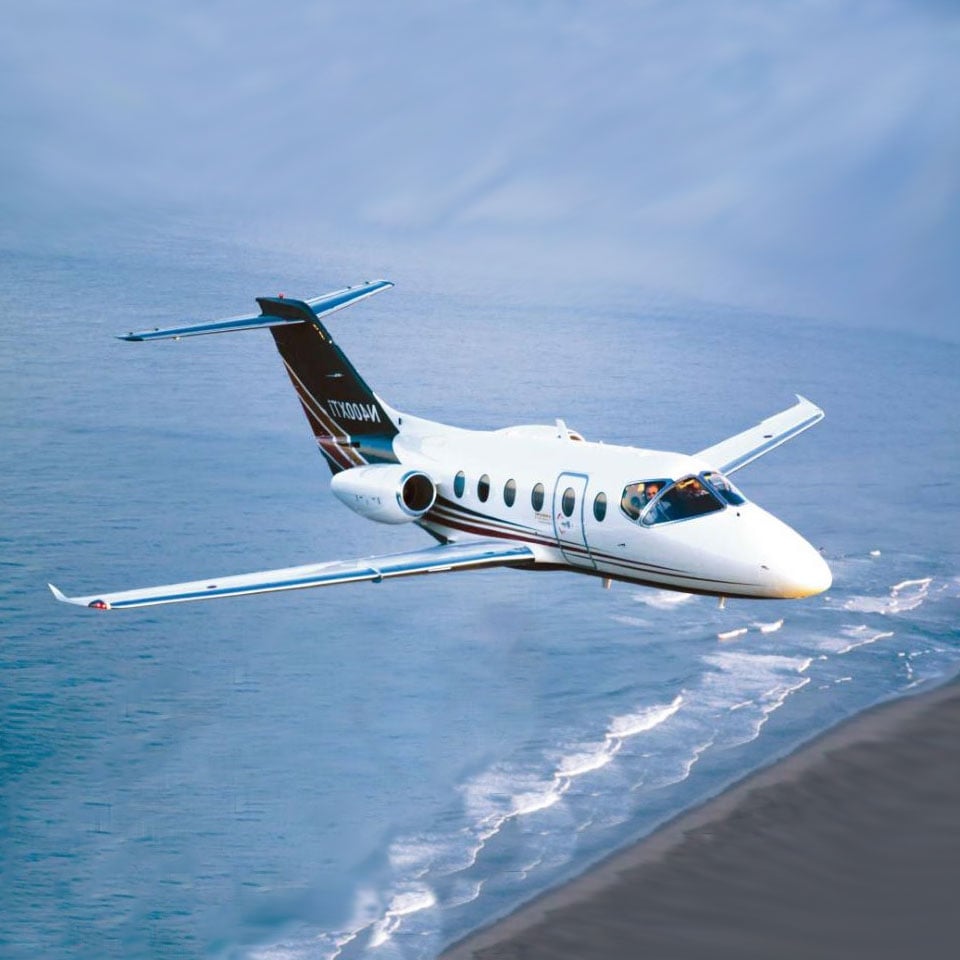
Whether a one-way or round-trip charter is cheaper depends entirely on aircraft positioning logic, which is unique to private aviation and not intuitive for first-time buyers.
Round-trip same day: Usually the most cost-effective option. The aircraft waits at the destination and you avoid repositioning fees on the return leg entirely.
One-way: The operator may need to return the aircraft empty and charge you for that leg, or find another paying passenger for the return. If the aircraft is already based at your destination, a one-way can actually be cheaper. Ask your operator where the aircraft is based before assuming a one-way quote is accurate.
Multi-day trips: The most complex pricing scenario. Crew overnight costs of AUD $764 to $2,293 per night depending on aircraft size, parking fees, and possible scheduled maintenance checks all add to the base rate. Always request a fully itemised multi-day quote.
Anmara Aviation notes that flying round-trip on the same day often provides better value because it eliminates repositioning costs from the equation entirely.
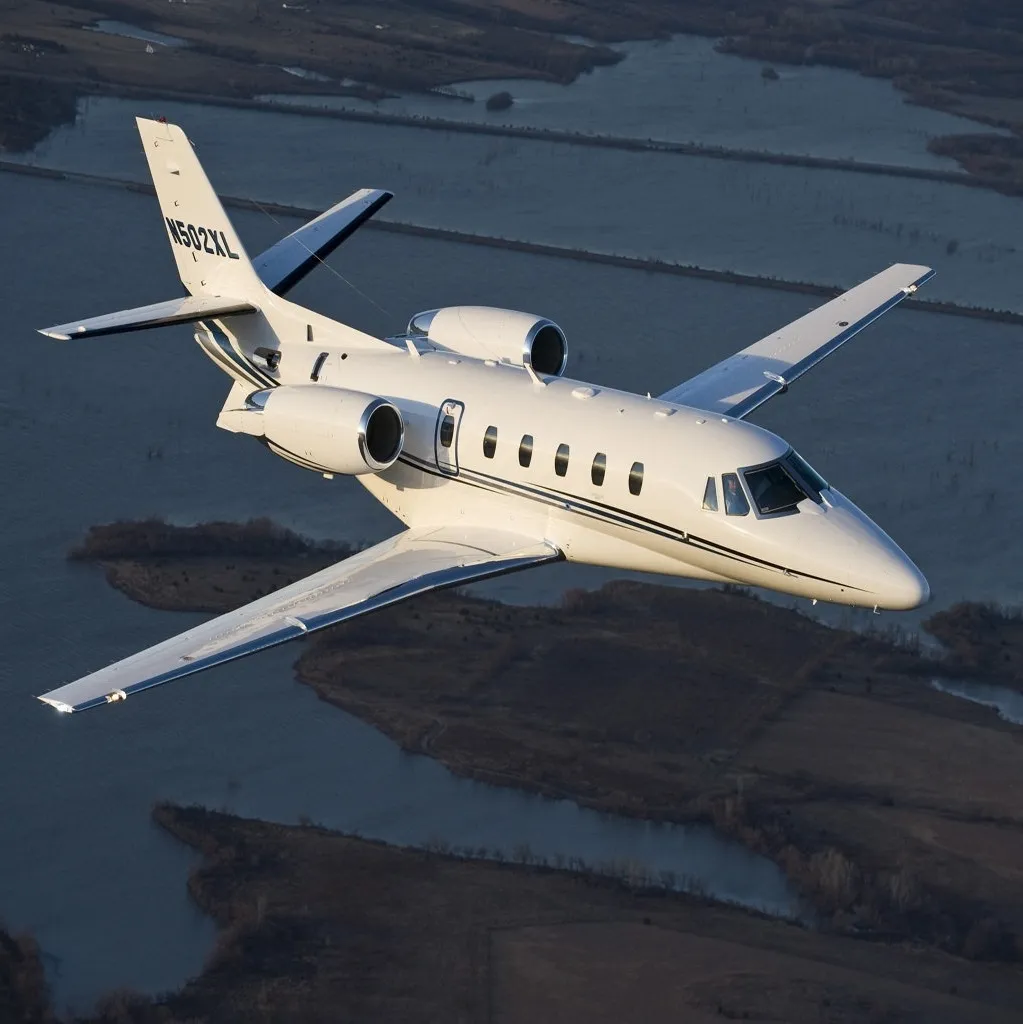
The Civil Aviation Safety Authority (CASA) is Australia’s national regulator for all non-military aviation. CASA was established on 6 July 1995 under the Civil Aviation Act 1988 and is an agency within the Department of Infrastructure, Transport, Regional Development, Communications and the Arts. Its role is to monitor civil air operations, issue licences, and enforce safety requirements across all operators.
For anyone chartering a flight, the most important regulation is this: every operator transporting passengers for payment must hold an Air Operator’s Certificate (AOC) issued by CASA. CASA states clearly that undertaking commercial aviation activities without an AOC is illegal and can result in significant penalties. An AOC is only granted after a comprehensive assessment process covering key personnel, flight operations standards, and continuing airworthiness procedures.
Before paying any deposit to a charter operator, look up their AOC on the CASA public register at casa.gov.au. Verify the certificate number and confirm the specific aircraft you are being quoted is listed under that certificate. CASA also conducts routine surveillance, unscheduled audits, and random ramp checks on any flight, which is why Australia’s private charter safety record ranks among the best in the Asia-Pacific region.
CASA’s regulatory framework operates across three tiers: the Civil Aviation Act 1988, the Civil Aviation Safety Regulations 1998, and Manuals of Standards and Civil Aviation Orders. Australia aligns its rules with International Civil Aviation Organization (ICAO) standards, which means operators certified in Australia meet globally recognised safety benchmarks.
Empty leg flights are one of the best value opportunities in Australian private aviation. They occur when a private jet completes a one-way charter and needs to reposition or return to base without passengers. Rather than fly empty, operators offer these flights at heavily discounted rates, typically 25% to 75% off standard charter pricing.
An empty leg between Sydney and Melbourne might cost AUD $6,000 to $9,000, compared to over AUD $20,000 for a standard charter on the same route, according to Air Charter Network. The aircraft is the same, the service is identical, and the entire jet is yours.
Industry estimates suggest 30% to 50% of private jet charter fleets fly empty at any given time. Real empty leg listings from Flight Charter Australia have included:
Empty leg prices start from AUD $2,500 for 4-seat jets on short domestic routes, with international routes starting from around AUD $10,000. This is the price for the entire aircraft, not per person. The key trade-off is flexibility: the departure time and route are fixed by the operator’s schedule, and if the primary charter changes, your empty leg can disappear without notice.
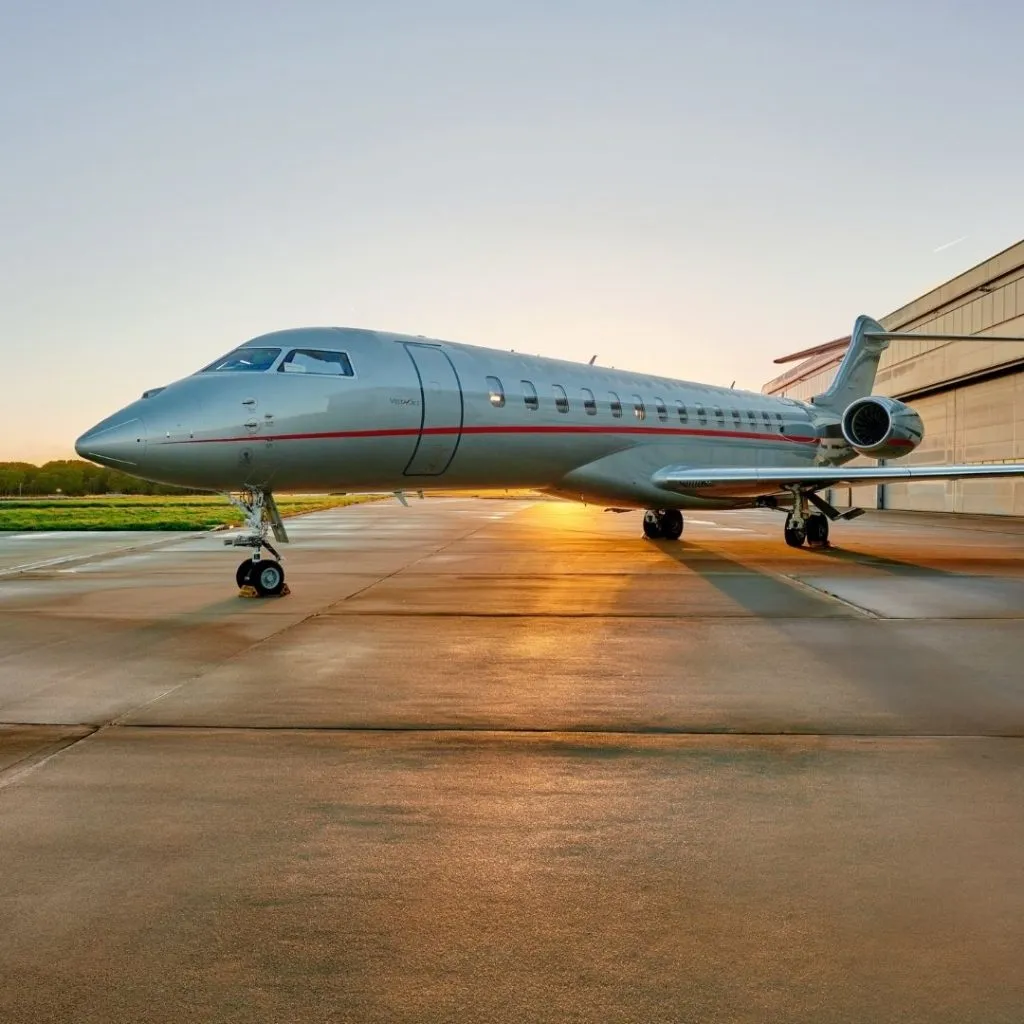
If you fly private more than a few times per year, ad-hoc charter is not necessarily the most cost-effective option. Here is how the three main access models compare in the Australian market:
Model | Charter | Jet Card | Fractional Ownership |
Best for | 1 to 4 trips/year | 4 to 12 trips/year | 12+ trips/year |
Typical hourly rate | $3,000 to $15,000+ | $4,795 to $7,395 | $2,670 to $3,028 |
Repositioning fees | Yes, often | No | No |
Price predictability | Low | High | High |
Upfront commitment | None | From ~$11,950/year | $1.3M+ (25% share) |
Tax benefits (business) | Limited | Moderate | Significant |
Airly, an Australian private aviation membership provider, offers jet cards with fixed rates starting at AUD $4,795 per hour for a Citation Mustang. That compares favourably to the higher and unpredictable ad-hoc charter rate for the same aircraft. Fractional ownership can lower your effective hourly rate to AUD $2,670 to $3,028 per hour, though the entry cost is around AUD $1.3 million plus GST for a 25% share. The annual savings over heavy charter usage can reach AUD $50,000 to $125,000 or more depending on flight frequency.
For completeness, here is where aircraft ownership sits in the economics. Air Charter Network reports that entry-level jets start around AUD $2 million, while top-tier aircraft exceed AUD $110 million. Annual operating expenses for a privately owned jet typically consume AUD $500,000 to AUD $1 million per year, covering:
The standard industry benchmark is that private jet ownership only becomes cost-comparable to heavy charter usage at around 400 or more flight hours per year. Most Australian business owners fly 100 to 200 hours per year, which firmly places charter or fractional ownership as the more economical choice.
Australia has several structural factors that create a pricing environment distinct from Europe, the US, or Asia:
With 7.7 million square kilometres of landmass and a population concentrated along the eastern and south-western coastlines, Australia has more remote destinations only practically reachable by air than almost any other country. Mining towns, pastoral stations, and island resorts create consistent demand for charter, which keeps the fleet commercially active and availability relatively stable.
Australia’s resources sector drives a massive fly-in fly-out (FIFO) charter market, particularly in Western Australia and Queensland. Mining companies charter fleets of turboprops and light jets to move workers between capital cities and remote mine sites. This creates a large and commercially active charter fleet in Australia, which supports general availability for leisure and business travellers as well.
Unlike Europe, where an aircraft based in one country can easily serve the entire continent, international operators face practical barriers to accessing the Australian domestic charter market. This limits competition and supports pricing at a premium compared to markets with more cross-border fleet mobility.
The Australian Taxation Office confirms that aviation fuel excise is indexed to CPI twice yearly, in February and August, with the February 2026 indexation factor set at 1.019. Many high-end aircraft in Australia are leased from US or European lessors and priced in USD or EUR. When the AUD weakens against the USD, the effective cost of operating those aircraft increases and operators may adjust charter rates accordingly.
Getting genuine value from Australian private aviation is achievable with the right approach. Here are the most effective strategies:
Australia has a healthy and well-regulated charter industry. Key operators include Navair, FlightCharter, ACAM Pacific, Anmara Aviation, Rotor One, Air Charter Network, and GoJets, among others. Evaluate any operator against these criteria before booking:
Hourly rates range from AUD $3,000 per hour for light jets on short domestic routes to AUD $21,000+ per hour for ultra-long-range aircraft on international routes. Most operators enforce a minimum billing of 1.5 to 2 hours per flight regardless of actual airborne time.
Always per aircraft. Whether you fly alone or with a full cabin, the charter rate is the same. Splitting the cost across your travel group is the primary way to make private charter price-competitive with premium commercial fares.
Yes, Australia’s 10% GST applies to domestic private jet charter. International flights departing Australia are generally zero-rated for GST. Always confirm whether a quote is GST-inclusive or exclusive before comparing across operators. See the ATO guidance on aircraft fees and levies for the detailed treatment.
Empty leg flights offer the deepest discounts at 25% to 75% off standard charter rates. They require flexibility in timing and route but deliver a full private jet experience at dramatically reduced cost. Prices start from around AUD $2,500 for a 4-seat jet on short domestic routes.
No. As a passenger, you need no aviation certificate or licence. The CASA Air Operator’s Certificate sits with the operator. All safety and regulatory responsibility is theirs.
For planned trips, 2 to 4 weeks in advance improves aircraft selection and often secures better positioning economics. For last-minute domestic charters, 24 to 72 hours’ notice is usually sufficient, depending on aircraft availability in your departure city.
Yes. Australian charter operators fly internationally across the Asia-Pacific, including Singapore, Tokyo, Hong Kong, Auckland, and Nadi. Long-haul routes to Europe and North America require ultra-long-range aircraft or planned technical stops. Cairns holds full international customs, immigration, and biosecurity facilities, making it capable of direct international charter departures without transiting a capital city hub.
A charter operator owns or manages aircraft under a CASA AOC and operates flights directly. A charter broker arranges flights on behalf of clients through operators. Both can provide competitive quotes. Brokers add a layer of representation that is valuable when comparing multiple operators for complex itineraries or international routes.
Civil Aviation Safety Authority (CASA): casa.gov.au
CASA: Flying Commercially and Privately in Australia
CASA Regulatory Framework Overview
Australian Taxation Office: Aircraft Fees and Levies (GST Treatment)
ATO: Excise Duty Rates for Fuel and Petroleum Products
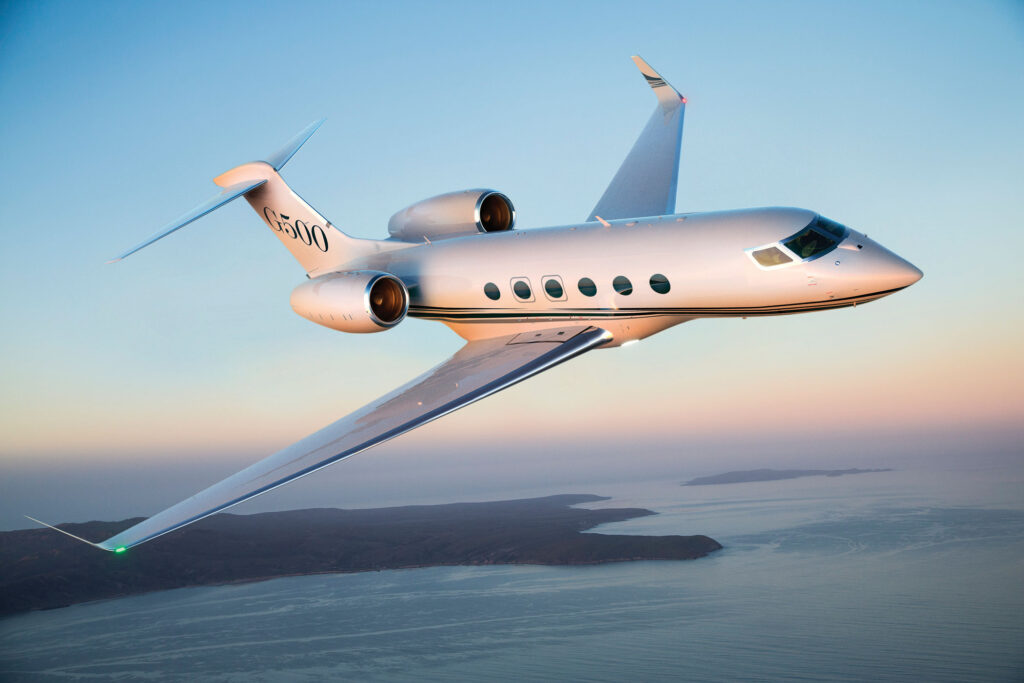
The raw numbers on private jet charter cost in Australia can look imposing at first glance. But context changes the calculation entirely.
Australia’s private aviation market is growing at a projected CAGR of 8.80% through 2033 according to IMARC Group research. Corporate travel remains 15 to 20% below 2019 commercial airline levels according to Mordor Intelligence market data, yet private charter demand is rising. That gap is not a contradiction. It reflects a shift in how Australian business owners and executives value their time: commercial aviation works for predictable, scheduled travel, and private aviation solves for everything else.
The key decision framework is straightforward:
My recommendation: before booking anything, get two or three fully itemised quotes for your specific route from CASA-certified operators. Verify each operator’s AOC on the CASA public register. Ask specifically whether the aircraft is already positioned at your departure airport, because if it is not, your real cost could be double the quoted hourly rate. And if your travel dates are even slightly flexible, subscribe to empty leg alerts from at least one reputable broker before committing to a full-price charter. The Australian private jet charter market rewards informed buyers. Use this guide to become one.
Get a firm quote from a licensed Australian charter operator tailored to your exact route and dates.
Request a Formal QuoteIndicative price ranges for Australia's most commonly chartered routes in AUD including GST, covering the full aircraft hire. Prices vary by season, aircraft age and operator.
Indicative one-way estimates in AUD including GST
| Route | Best Aircraft | Flight Time | Light Jet | Midsize | Heavy Jet |
|---|---|---|---|---|---|
Sydney → Melbourne SYD–MEL — Australia's busiest charter route | Light Jet | ~1h 20m | $10,500–$14,500 | $16,000–$22,000 | $28,000–$38,000 |
Sydney → Brisbane SYD–BNE or Gold Coast (OOL) | Light Jet | ~1h 30m | $11,500–$15,500 | $17,500–$24,000 | $30,000–$40,000 |
Sydney → Canberra SYD–CBR same-day executive day trip | Turboprop | ~50m | $6,500–$10,000 | $10,000–$14,000 | $17,000–$24,000 |
Sydney → Snowy Mountains SYD–Cooma, popular winter ski season | Light Jet | ~55m | $8,000–$13,000 | $13,000–$18,000 | $22,000–$30,000 |
Sydney → Byron Bay SYD–BNK (Ballina Byron Gateway) | Turboprop | ~1h 20m | $9,000–$13,500 | $14,000–$20,000 | $24,000–$32,000 |
Sydney → Perth SYD–PER cross-continent, requires heavy jet | Heavy Jet | ~5h | N/A | $48,000–$68,000 | $70,000–$95,000 |
Sydney → Lord Howe Island SYD–LDH, restricted runway — turboprop only | Turboprop | ~2h | $12,000–$18,000 | N/A | N/A |
Indicative one-way estimates in AUD including GST
| Route | Best Aircraft | Flight Time | Turboprop | Light Jet | Midsize Jet |
|---|---|---|---|---|---|
Melbourne → Sydney MEL–SYD most popular domestic charter | Light Jet | ~1h 20m | $8,500–$14,000 | $11,000–$16,500 | $17,000–$24,000 |
Melbourne → Adelaide MEL–ADL wine country and business | Light Jet | ~1h 10m | $8,000–$13,000 | $10,500–$15,000 | $15,000–$22,000 |
Melbourne → Gold Coast MEL–OOL lifestyle and events | Midsize Jet | ~2h | $11,000–$17,000 | $14,000–$20,000 | $22,000–$32,000 |
Melbourne → Hobart MEL–HBA taste of Tasmania | Light Jet | ~1h | $8,000–$13,000 | $10,500–$16,000 | $15,000–$22,000 |
Melbourne → Mildura MEL–MQL wine and agriculture | Turboprop | ~1h 20m | $7,500–$12,000 | $10,000–$15,000 | $14,500–$20,000 |
Indicative one-way estimates in AUD including GST
| Route | Best Aircraft | Flight Time | Turboprop | Light Jet | Midsize Jet |
|---|---|---|---|---|---|
Brisbane → Cairns BNE–CNS Great Barrier Reef gateway | Midsize Jet | ~2h 30m | $14,000–$20,000 | $18,000–$26,000 | $26,000–$36,000 |
Brisbane → Hamilton Island BNE–HTI Whitsundays luxury escape | Light Jet | ~1h 30m | $10,000–$16,000 | $13,500–$19,000 | $20,000–$28,000 |
Brisbane → Gold Coast BNE–OOL leisure and events | Turboprop | ~25m | $5,000–$8,500 | $7,000–$11,500 | $10,000–$16,000 |
Brisbane → Townsville BNE–TSV North Queensland | Midsize Jet | ~2h | $12,000–$18,000 | $15,500–$22,000 | $22,000–$30,000 |
Sydney → Hamilton Island SYD–HTI exclusive resort access | Light Jet | ~2h 10m | $14,000–$21,000 | $19,000–$27,000 | $27,000–$38,000 |
Cairns → Townsville CNS–TSV North Qld regional hop | Turboprop | ~1h | $6,000–$10,000 | $8,500–$13,500 | $13,000–$19,000 |
Indicative one-way estimates in AUD including GST
| Route | Best Aircraft | Flight Time | Turboprop | Light Jet | Midsize / Heavy |
|---|---|---|---|---|---|
Perth → Broome PER–BME Kimberley gateway | Midsize Jet | ~2h 30m | $15,000–$22,000 | $20,000–$28,000 | $28,000–$40,000 |
Perth → Karratha PER–KTA Pilbara resources sector | Midsize Jet | ~2h | $13,000–$19,000 | $17,000–$24,000 | $25,000–$36,000 |
Perth → Port Hedland PER–PHE Pilbara mining corridor | Midsize Jet | ~2h 10m | $14,000–$21,000 | $18,000–$26,000 | $26,000–$38,000 |
Perth → Kalgoorlie PER–KGI Goldfields access | Turboprop | ~1h | $8,000–$14,000 | $11,000–$17,000 | $16,000–$24,000 |
Perth → Exmouth PER–EXM Ningaloo Reef tourism | Light Jet | ~1h 50m | $12,000–$18,000 | $16,000–$24,000 | $24,000–$34,000 |
Perth → Monkey Mia PER–MJK Shark Bay World Heritage | Turboprop | ~1h 30m | $10,000–$16,000 | $14,000–$20,000 | $20,000–$28,000 |
Indicative one-way estimates in AUD including GST
| Route | Best Aircraft | Flight Time | Turboprop | Light Jet | Midsize Jet |
|---|---|---|---|---|---|
Darwin → Alice Springs DRW–ASP iconic outback run | Light Jet | ~2h 15m | $13,000–$20,000 | $17,000–$25,000 | $24,000–$34,000 |
Darwin → Bali DRW–DPS shortest international from Aus | Midsize Jet | ~2h 45m | — | $28,000–$40,000 | $38,000–$58,000 |
Alice Springs → Uluru ASP–AYQ Ayers Rock / Yulara | Turboprop | ~55m | $6,500–$11,000 | $9,500–$15,000 | $14,000–$20,000 |
Darwin → Katherine DRW–KTR regular regional service | Turboprop | ~50m | $5,500–$9,500 | $8,000–$13,000 | $12,000–$18,000 |
Indicative one-way estimates in AUD including GST
| Route | Best Aircraft | Flight Time | Turboprop | Light Jet | Midsize Jet |
|---|---|---|---|---|---|
Adelaide → Melbourne ADL–MEL business and leisure | Light Jet | ~1h 10m | $8,000–$13,000 | $11,000–$16,500 | $16,000–$24,000 |
Adelaide → Sydney ADL–SYD corporate charter | Light Jet | ~2h | $12,000–$18,000 | $16,000–$24,000 | $24,000–$34,000 |
Adelaide → Uluru ADL–AYQ outback sightseeing | Midsize Jet | ~2h 30m | $14,000–$20,000 | $18,000–$26,000 | $26,000–$36,000 |
Adelaide → Perth ADL–PER cross-continent | Heavy Jet | ~3h 30m | — | $35,000–$52,000 | $48,000–$68,000 |
Indicative one-way estimates in AUD including GST
| Route | Best Aircraft | Flight Time | Turboprop | Light Jet | Midsize Jet |
|---|---|---|---|---|---|
Hobart → Melbourne HBA–MEL most popular Tasmania route | Light Jet | ~1h | $8,000–$13,000 | $10,500–$16,000 | $15,000–$22,000 |
Hobart → Sydney HBA–SYD corporate and leisure | Light Jet | ~1h 40m | $11,000–$17,000 | $14,000–$21,000 | $20,000–$30,000 |
Hobart → Launceston HBA–LST quick intra-state hop | Turboprop | ~30m | $4,000–$7,000 | $5,500–$9,000 | — |
Launceston → Melbourne LST–MEL wine and food tourism | Light Jet | ~55m | $7,500–$12,000 | $10,000–$15,000 | $14,000–$21,000 |
Additional international handling fees and overflight permits apply
| Route | Best Aircraft | Flight Time | Midsize Jet | Heavy Jet | Ultra Long-Range |
|---|---|---|---|---|---|
Sydney → Auckland, NZ SYD–AKL Trans-Tasman | Midsize Jet | ~3h 30m | $38,000–$55,000 | $60,000–$80,000 | $80,000–$110,000 |
Melbourne → Queenstown, NZ MEL–ZQN ski season favourite | Super-Midsize | ~3h 45m | $42,000–$62,000 | $65,000–$90,000 | $85,000–$115,000 |
Sydney → Nadi, Fiji SYD–NAN Pacific island escape | Heavy Jet | ~3h 40m | $40,000–$60,000 | $64,000–$88,000 | $85,000–$115,000 |
Darwin → Bali DRW–DPS shortest international route | Midsize Jet | ~2h 45m | $32,000–$48,000 | $50,000–$72,000 | $70,000–$95,000 |
Sydney → Singapore SYD–SIN SE Asia business | Heavy / Ultra | ~7h 30m | — | $110,000–$160,000 | $145,000–$200,000 |
FIFO and multi-sector executive routes — indicative estimates in AUD including GST
| Route / Mission | Aircraft | Sectors | Estimated Cost | Notes |
|---|---|---|---|---|
Sydney → Moranbah → Emerald → Sydney Executive mining day trip — 8 pax King Air 200 | King Air 200 | 3 sectors | ~$29,000+ | Multi-stop mine site access |
Perth → Karratha → Port Hedland Pilbara resources circuit | Turboprop / Light Jet | 2 sectors | $22,000–$32,000 | Common FIFO executive route |
Perth → Margaret River (group 18 pax) Conference charter — Metroliner | Metroliner | 1 sector | ~$15,500+ | Corporate events and conferences |
Brisbane → Emerald BNE–EMD Bowen Basin mining | Turboprop | 1 sector | $12,000–$19,000 | Regular resources sector route |
Adelaide → Uluru → Alice Springs (3-day group tour) 30 pax Saab 340 sightseeing charter | Saab 340 | Multi-day | ~$69,000+ | Group tour including crew overnight |
Hourly rates below include aircraft hire, crew and fuel. They exclude landing fees, catering and add-ons. Rates in AUD including GST and reflect current Australian market pricing.
| Category | Example Aircraft | Passengers | Range | Speed | AUD Hourly Rate | Best For |
|---|---|---|---|---|---|---|
| Turboprop | King Air 200, PC-12, Cessna Caravan | 4–10 pax | Up to 1,500 nm | 380–500 km/h | $2,500–$4,500 | Short domestic, remote airstrips, regional hops |
| Light Jet | Citation CJ3, Phenom 300, Learjet 75 | 4–7 pax | 1,200–1,800 nm | 750–820 km/h | $3,800–$6,900 | Sydney–Melbourne, short interstate city pairs |
| Super Light Jet | Citation XLS, Learjet 60, HondaJet | 6–8 pax | 1,800–2,500 nm | 800–870 km/h | $5,500–$9,000 | Longer domestic, coast-to-coast, small groups |
| Midsize Jet | Hawker 800XP, Citation Sovereign | 7–9 pax | 2,200–2,800 nm | 830–870 km/h | $6,100–$12,200 | Cross-continent, mining routes, Trans-Tasman |
| Super-Midsize | Challenger 300, Citation X, Falcon 2000 | 8–12 pax | 3,000–3,500 nm | 870–940 km/h | $7,500–$13,500 | Sydney–Perth, Trans-Tasman, SE Asia short-haul |
| Heavy Jet | Legacy 600, Challenger 604, Global 5500 | 10–16 pax | 4,000–5,500 nm | 850–900 km/h | $12,200–$18,000 | International, Pacific, SE Asia, large groups |
| Ultra Long-Range | Gulfstream G650, Global 7500, Falcon 8X | 12–19 pax | 6,500–7,700 nm | 920–956 km/h | $16,000–$21,500 | Sydney–LA, ultra-long international, VIP |
From the Pilbara to the Kimberley, the Whitsundays to the Snowy Mountains — private charter accesses airstrips commercial airlines will never serve. Less ground travel, more time at your destination, complete schedule control.