
The problem with empty leg flights is not finding out they exist. The problem is that most people who try to book one never actually do. They register on one platform, check it occasionally, and either nothing matches or the deal is gone by the time they see it.
This guide is for people who already understand what empty legs are and want to know how to consistently land them. If you need the fundamentals first, the costs, the regulations, the honest risk profile, start with the cost guide linked above and come back here once you have that foundation.
What follows is the strategy that separates people who regularly fly private for less from people who talk about wanting to. It covers route selection, timing patterns, alert configuration, the negotiation angles most people never attempt, and the specific mistakes that kill otherwise good empty leg opportunities before they happen.
Current Empty Leg Opportunities in Australia
These are the empty leg patterns currently producing the most inventory across Australia, with indicative pricing based on what these legs typically sell for. Availability changes by the hour. Register your routes with us and we will notify you directly when a matching leg appears.
| Route | Typical Window | Aircraft | Seats | Indicative Price (AUD) | vs Full Charter |
|---|---|---|---|---|---|
| Melbourne → Sydney High volume | Fri PM, Mon AM | Light Jet (Citation CJ3 class) | Up to 7 | $5,500–$7,500 | Save up to 55% |
| Sydney → Melbourne High volume | Sun PM | Midsize (Praetor 500 class) | Up to 9 | $8,000–$10,500 | Save up to 50% |
| Sydney → Brisbane | Midweek | Light Jet (PC-24 class) | Up to 6 | $6,000–$8,000 | Save up to 50% |
| Brisbane → Gold Coast Fastest sellout | Event-driven | Turboprop (King Air class) | Up to 8 | $2,500–$4,000 | Save up to 60% |
| Ballina (Byron Bay) → Sydney | Post-festival, Sun PM | Light Jet | Up to 7 | $5,000–$7,000 | Save up to 55% |
| Brisbane → Cairns | School holiday returns | Midsize Jet | Up to 9 | $9,500–$13,000 | Save up to 50% |
| Perth → Broome | FIFO repositioning | Midsize Jet | Up to 9 | $10,000–$14,000 | Save up to 45% |
| Melbourne → Adelaide | Midweek | Light Jet | Up to 7 | $5,000–$7,000 | Save up to 50% |
Empty Leg Flights Sydney
Sydney generates more empty leg volume than any other Australian city, in both directions. Outbound legs appear when aircraft based at Sydney Airport or Bankstown drop charter clients in Melbourne, Brisbane or the Gold Coast and need to return home. Inbound legs to Sydney cluster on Sunday evenings as aircraft retrieve weekend travellers from Byron Bay, the Hunter Valley and the Snowy Mountains.
The most consistent Sydney patterns are the Friday afternoon Sydney to Melbourne corridor and the post-event returns from Ballina after festivals and long weekends. Competition on Sydney legs is the fiercest in the country, so the alert and decision-speed framework below matters most here. Sydney departures from Bankstown rather than Kingsford Smith also avoid the steep runway charges at the main airport, which keeps empty leg pricing lower.
Empty Leg Flights Brisbane
Brisbane empty legs are driven by two engines: the short Gold Coast shuttle corridor and the longer North Queensland leisure routes. The Brisbane to Gold Coast sector produces frequent, cheap legs, often under $4,000 for the whole aircraft, but they sell faster than any other route in Australia, sometimes within 30 minutes of listing. SMS alerts are essential here because email is too slow.
The longer Brisbane legs follow Queensland's holiday calendar. Aircraft that carry families to Hamilton Island, the Whitsundays and Cairns at the start of school holidays generate southbound return legs in the following days, and these midweek repositioning flights are among the best value in the state. Archerfield Airport handles much of Brisbane's general aviation traffic, so register interest with operators based there as well as at Brisbane Airport.
Empty Leg Flights Melbourne
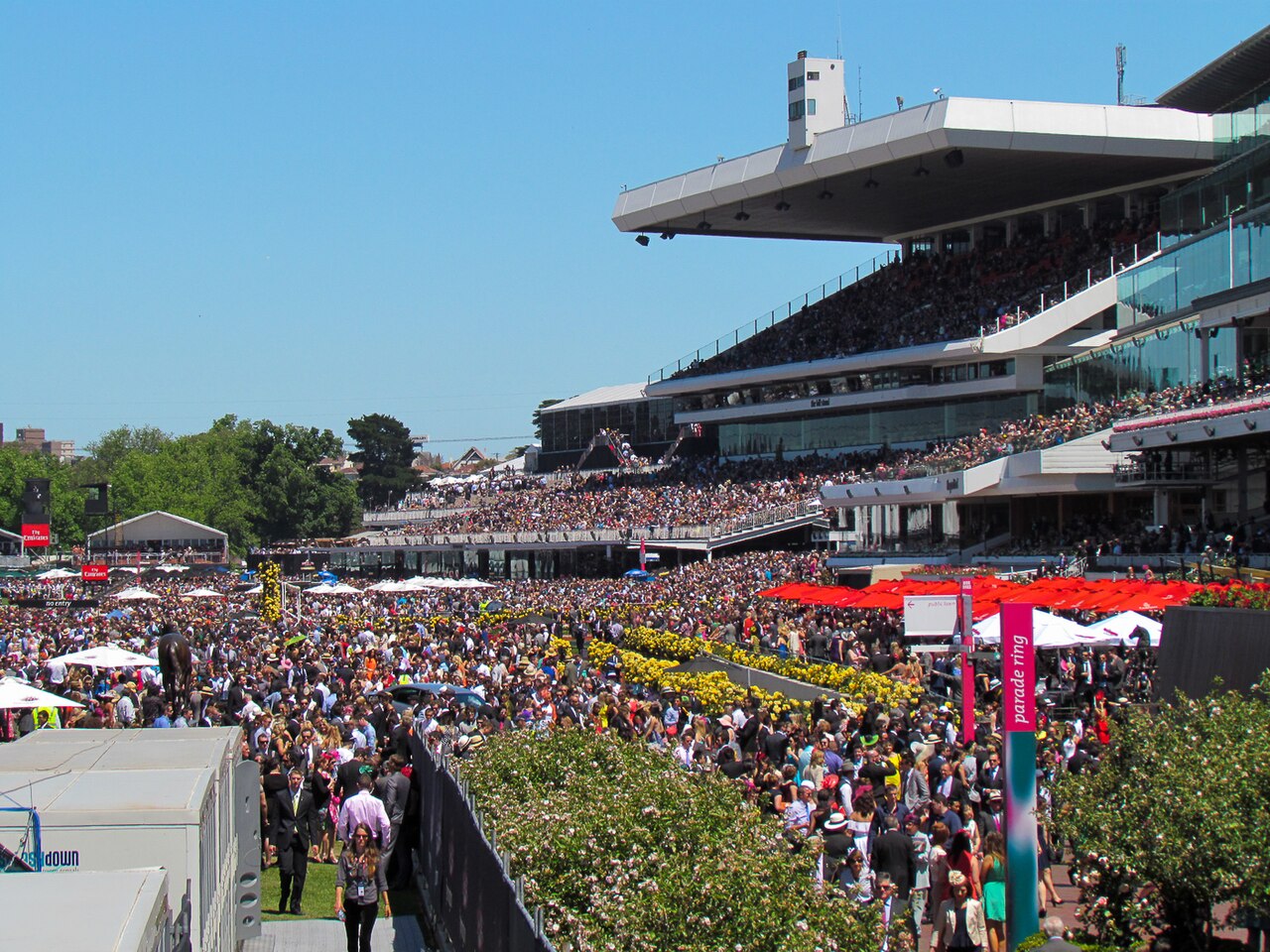
Melbourne's empty leg market peaks around its event calendar. The days after the Melbourne Cup, the Australian Grand Prix and the AFL Grand Final produce the densest concentration of repositioning flights anywhere in the country, as dozens of aircraft that flew guests in for the event return to their home bases. If you only watch Melbourne legs at one time of year, watch the spring racing carnival.
Outside event periods, the Melbourne to Sydney corridor produces multiple legs per week, with Monday morning departures from Essendon a recurring pattern after Sunday night arrivals. Essendon Fields is Melbourne's dedicated business aviation airport and most Melbourne empty legs depart from there rather than Tullamarine, which means faster boarding and lower fees. Melbourne to Adelaide and Melbourne to Hobart legs appear less often but face far less buyer competition when they do.

The Framework: How Regular Empty Leg Flyers Think Differently
People who consistently book empty legs approach it as a system, not a lottery. They make specific decisions upfront about which routes they are willing to fly, which times of week they can be flexible, and how quickly they can commit. Then they build infrastructure around those decisions and wait. The deal comes to them.
People who occasionally stumble across empty legs treat it as a spontaneous opportunity. They see a listing, think about it, discuss it with someone, decide they want it, and find it is gone. That cycle repeats until they give up.
The difference is not luck. It is preparation and decision speed. Every step below is about reducing the time between "deal appears" and "deal confirmed" to as close to zero as possible.
When Empty Legs Appear: The Timing Patterns
Empty legs are not randomly distributed across the calendar. They cluster around specific time patterns driven by when paying charters are most active. Understanding this calendar is one of the most underused advantages available to anyone building an empty leg strategy.
The seasons matter too
Summer in Australia, December through February, generates strong leisure charter activity and therefore strong empty leg volume on routes to coastal destinations. Byron Bay, the Whitsundays, and Broome see elevated traffic. Winter, June through August, generates strong activity on ski season routes to Cooma and repositioning traffic out of Melbourne Cup and AFL periods in the spring shoulder season.
The trap is peak periods. During school holidays, the Melbourne Cup week, AFL Grand Final, and Christmas, operators have less incentive to discount because demand for standard charter is strong. Empty legs still appear, but they are priced closer to standard rates. The genuinely deep discounts come in the shoulder periods, late February, mid-May, and September when charter activity is strong but not frantic.

The Fastest Buyer Gets the Best Deal
On Australia's busiest corridors, well-priced empty legs disappear within hours of being listed. The travellers who consistently book them have pre-made their decision criteria and can confirm within minutes.
Your alert system, payment readiness, and flexibility window are the three things that separate people who fly private for less from people who talk about wanting to.
Register Your RoutesThe Routes Worth Watching and Why
Not all routes generate empty legs in equal volume. The corridors below consistently produce the most inventory, which means more opportunities, more competition, and faster decision windows. Know these routes before you need them.
Setting Up Your Alert System
Your alert system is the difference between seeing empty legs and missing them. The goal is to receive notification the moment a relevant leg is listed, on a channel you check immediately, without needing to actively look for it.
| Platform / Source | Coverage | Alert type | Speed to notify | Worth registering |
|---|---|---|---|---|
| Airly app Australia's largest aggregator |
East coast, national | App push, email | Near real-time | ✓ Essential |
| Operator SMS lists Direct from ACAM Pacific, MJET, others |
Operator-specific | SMS text | Immediate | ✓ Essential |
| FlightCharter.com.au Australian broker listings |
East coast focus | Daily digest or instant | ✓ Register | |
| Instagram / Facebook notifications Operator social feeds |
Operator-specific | Push notification | Varies by operator | ✓ Follow key operators |
| Charter broker relationship A broker you have used before |
Network-dependent | Direct call / SMS | Before public listing | ✓ Most valuable if established |
| Weekly email newsletter Generic digests from aggregators |
Varies | Weekly, not useful | ✗ Too slow for best deals |
The broker relationship advantage
The most underestimated source of empty legs is a direct relationship with a CASA-certified charter broker or operator you have used before. When an operator knows you are a genuine buyer on specific routes, they will sometimes call you before the leg goes public. This is not a formal service. It is what happens when you have established yourself as someone who moves quickly and does not waste time. One standard charter booking at full price can open this channel for multiple subsequent empty leg opportunities at discounted rates.
Negotiation: When It Works and How to Do It
Most articles about empty legs never mention negotiation. The assumption is that listed prices are final. They frequently are not, depending on the route, the timing, and how you approach the conversation.
When you have leverage
You have genuine negotiating leverage on an empty leg in three specific situations. First, when departure is within four to six hours and the leg has not sold. The operator is about to lose all revenue on that sector. A lower offer is better than nothing and they know it. Second, when you are a returning client or are introduced through a broker relationship. Operators prefer known buyers. Third, when you can offer to take a slightly inconvenient departure time or airport that makes the repositioning more efficient for the operator.
When you do not have leverage
Do not attempt to negotiate on Sydney to Melbourne or Brisbane to Gold Coast empty legs that have just been listed. These routes have deep pools of interested buyers and operators know it. Trying to negotiate on a freshly listed popular route is more likely to result in someone else booking it while you discuss the price.
How to ask
Keep it direct and brief. "I can confirm and pay immediately if you can do $X. Does that work?" is better than a long email explaining why you think the price should be lower. Operators are not interested in your reasoning. They are interested in whether you can commit quickly at a number that works for them. Make the offer, give a short window for the response, and be ready to pay the listed price if they decline.
The Mistakes That Kill Good Empty Leg Opportunities

Insider Moves Most Travellers Never Try
Answer four questions about the specific deal in front of you and get an honest assessment.
Questions About Finding and Booking Empty Legs


Register Your Routes Now
Tell us which city pairs you fly and how much flexibility you have. We will add you to our early-notification list for empty legs on those routes and contact you directly when a match appears.
Register Your Routes